CategoriesOctober 2026
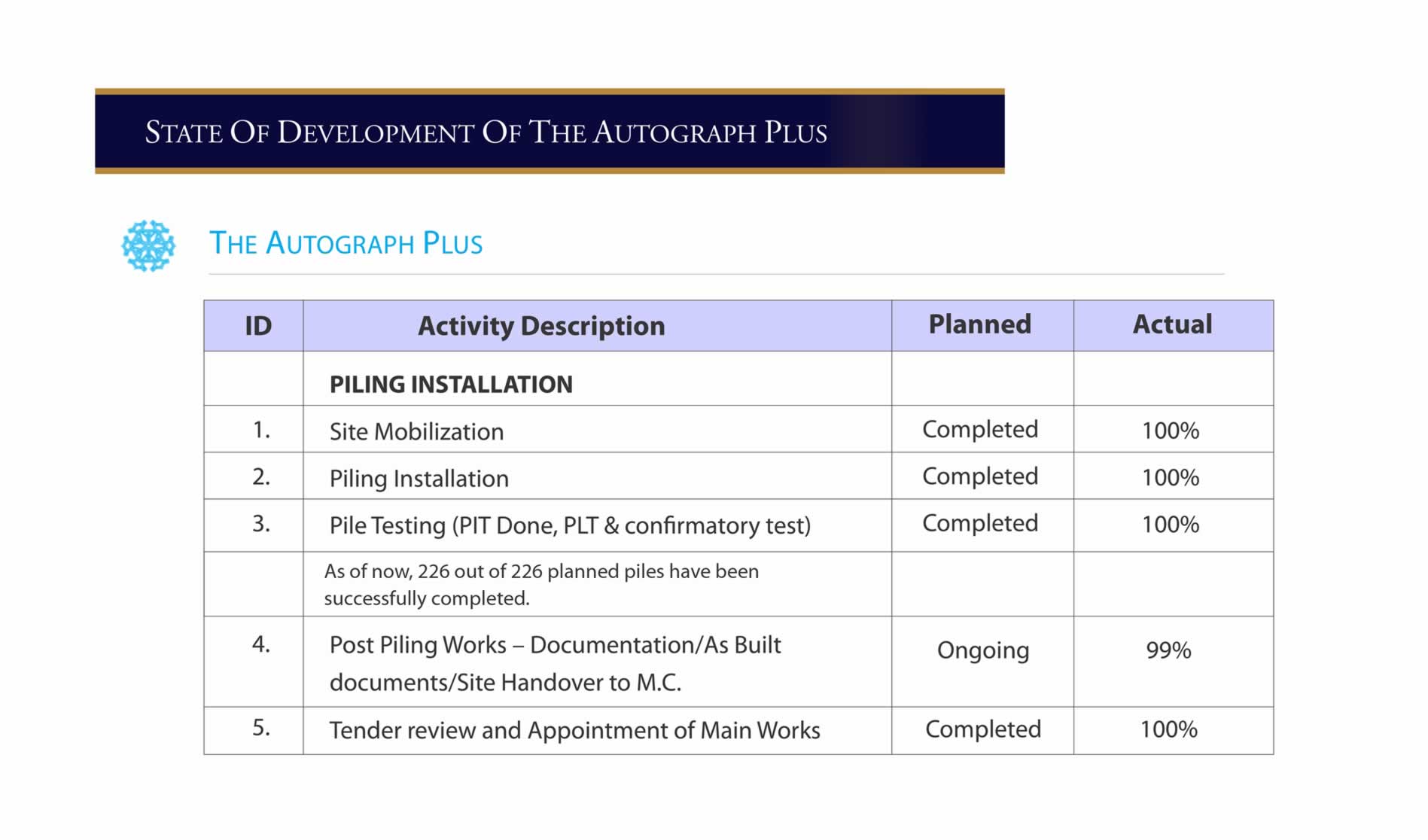
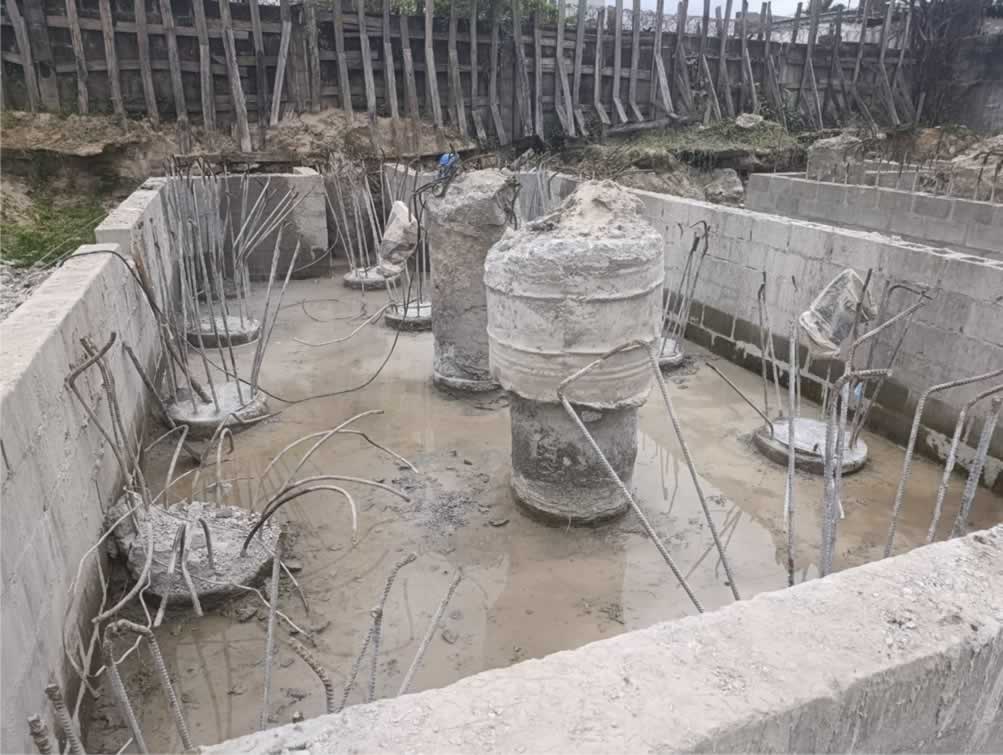
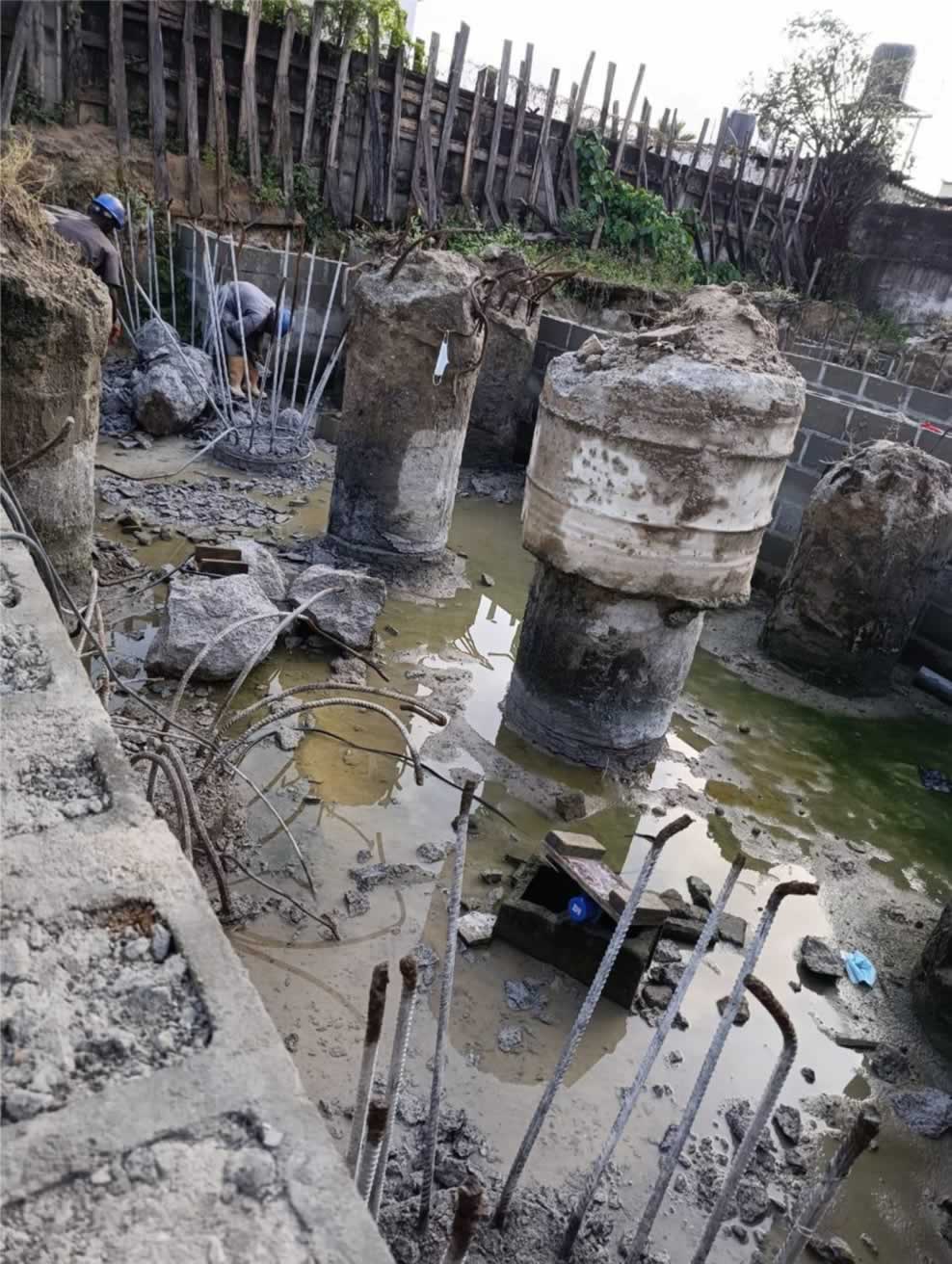
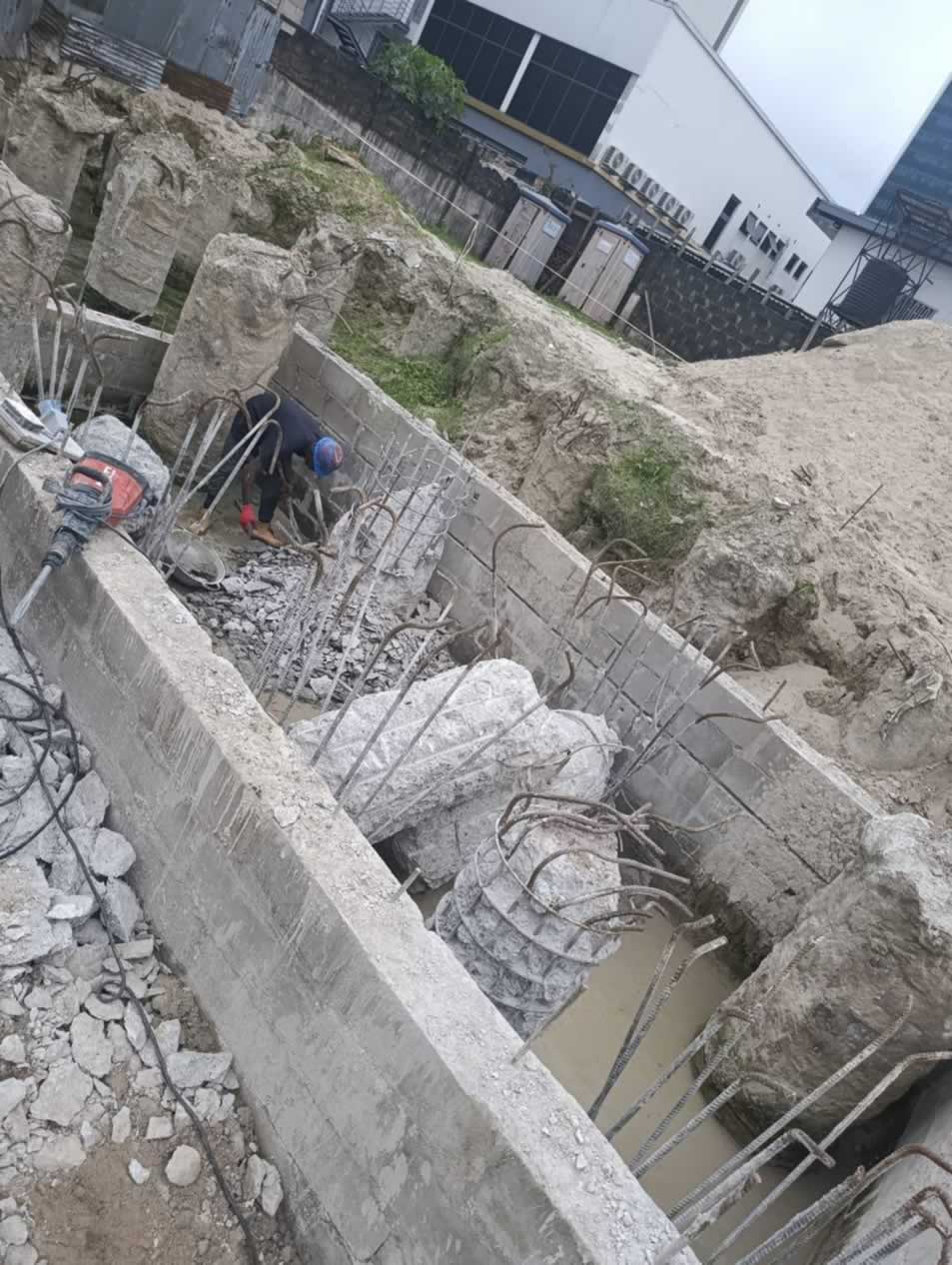
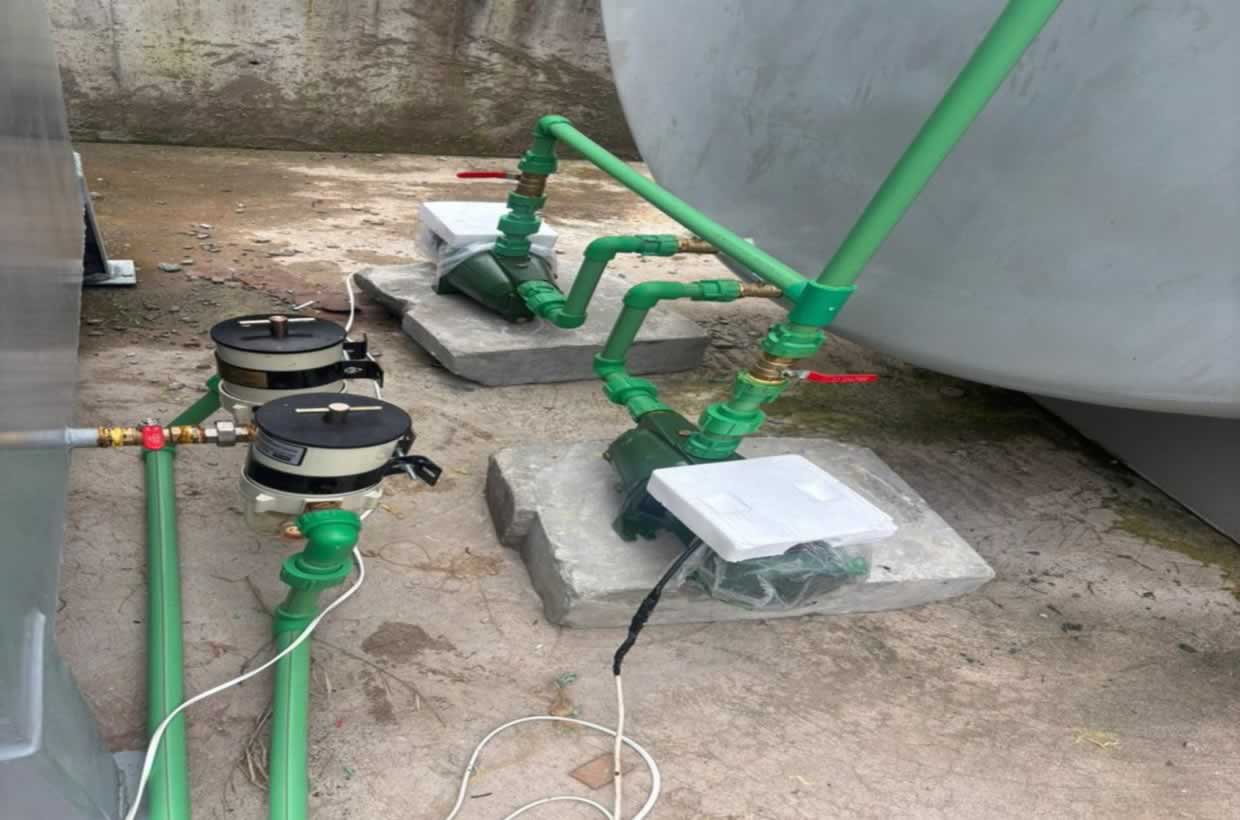
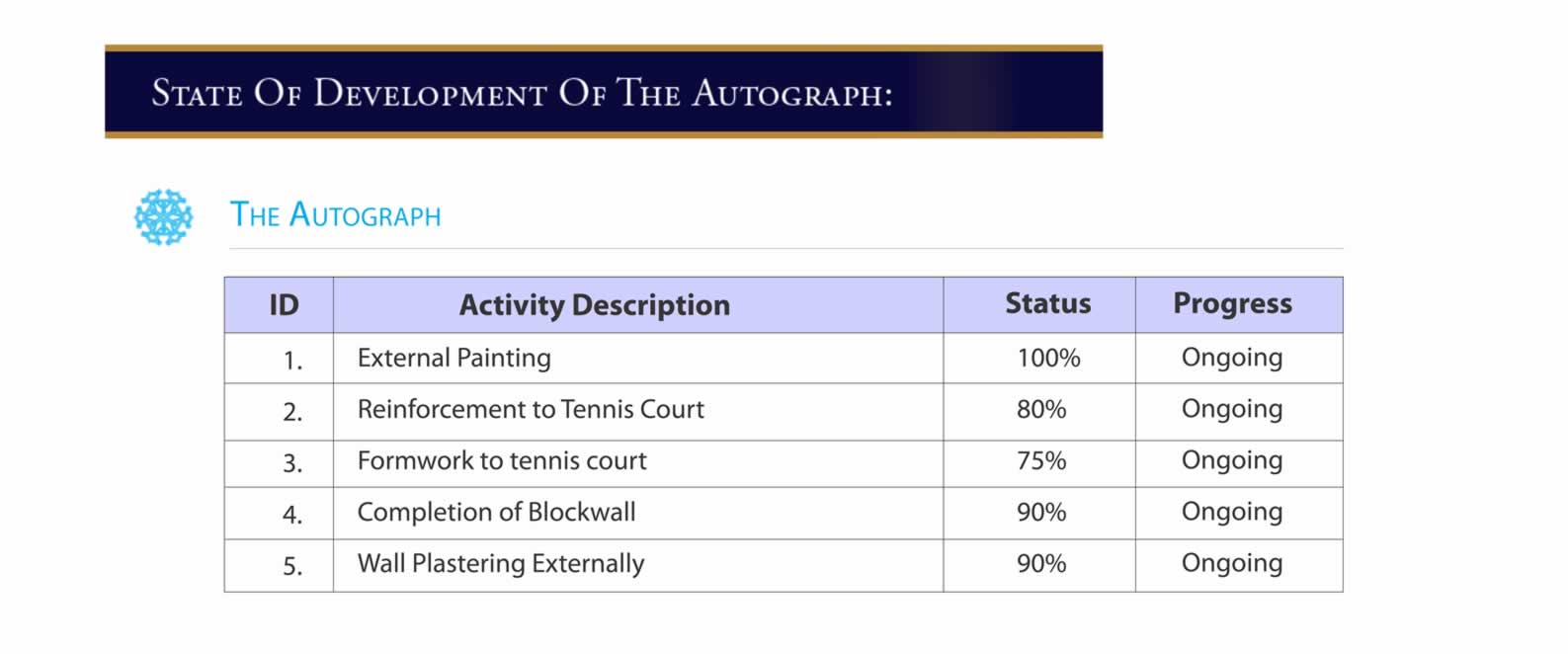
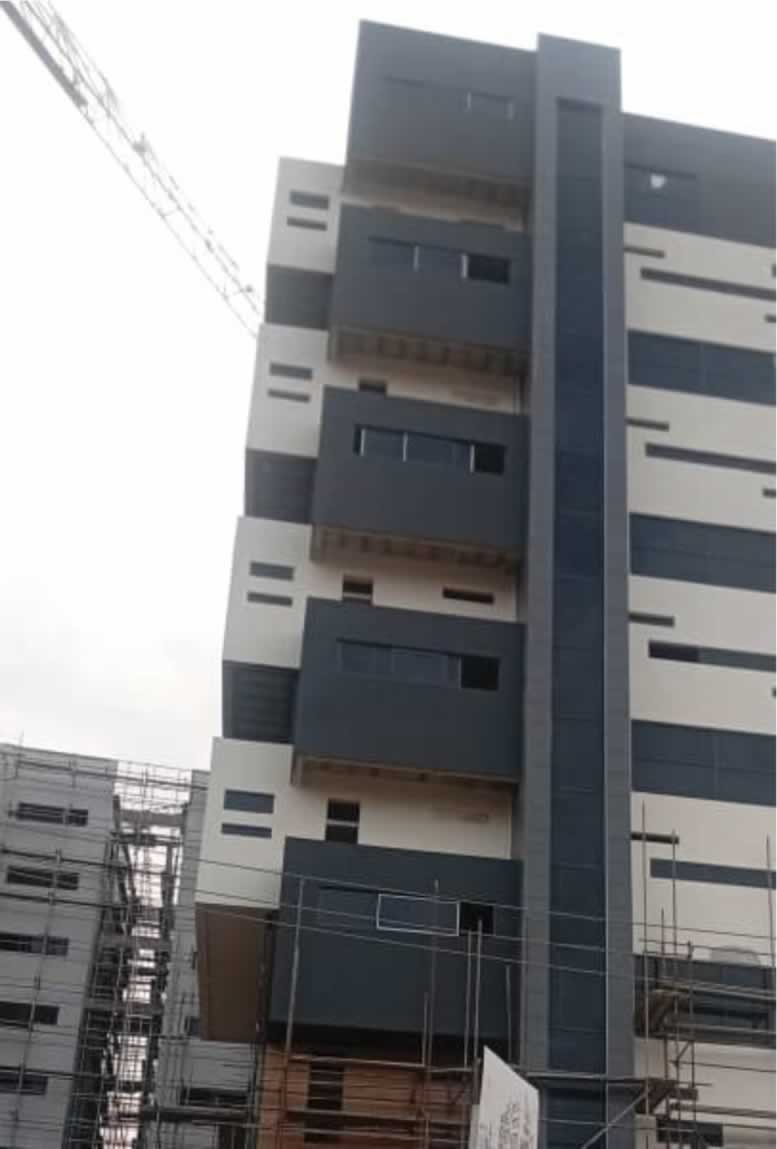
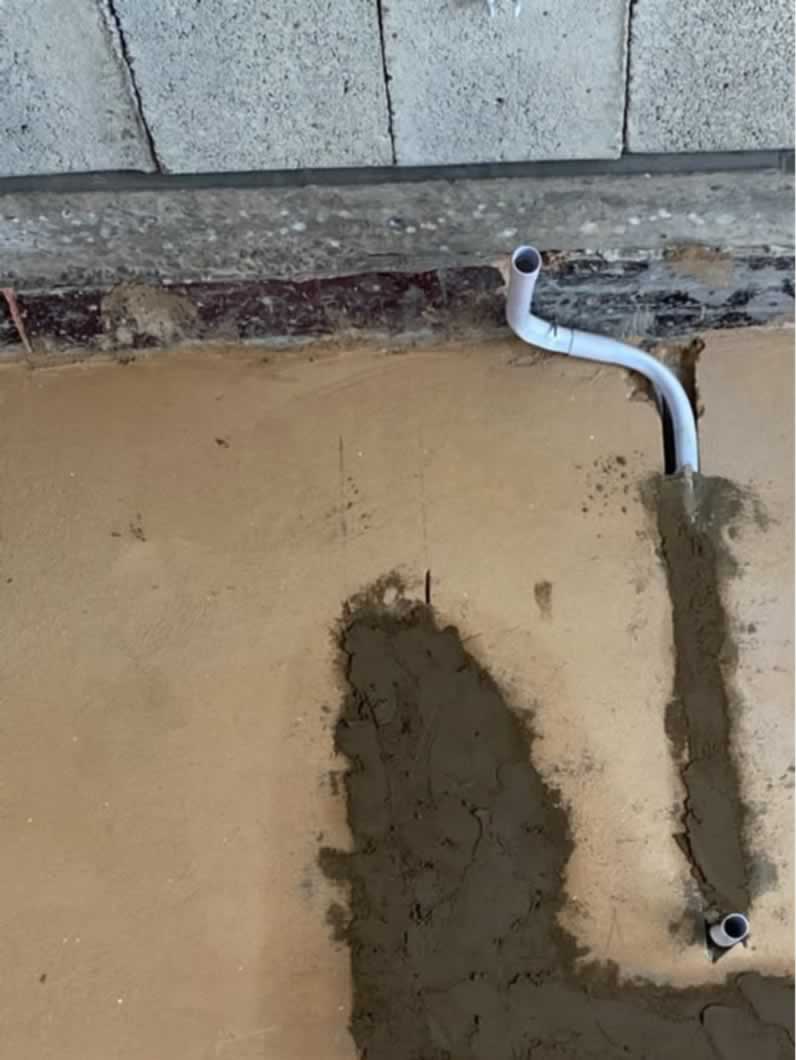
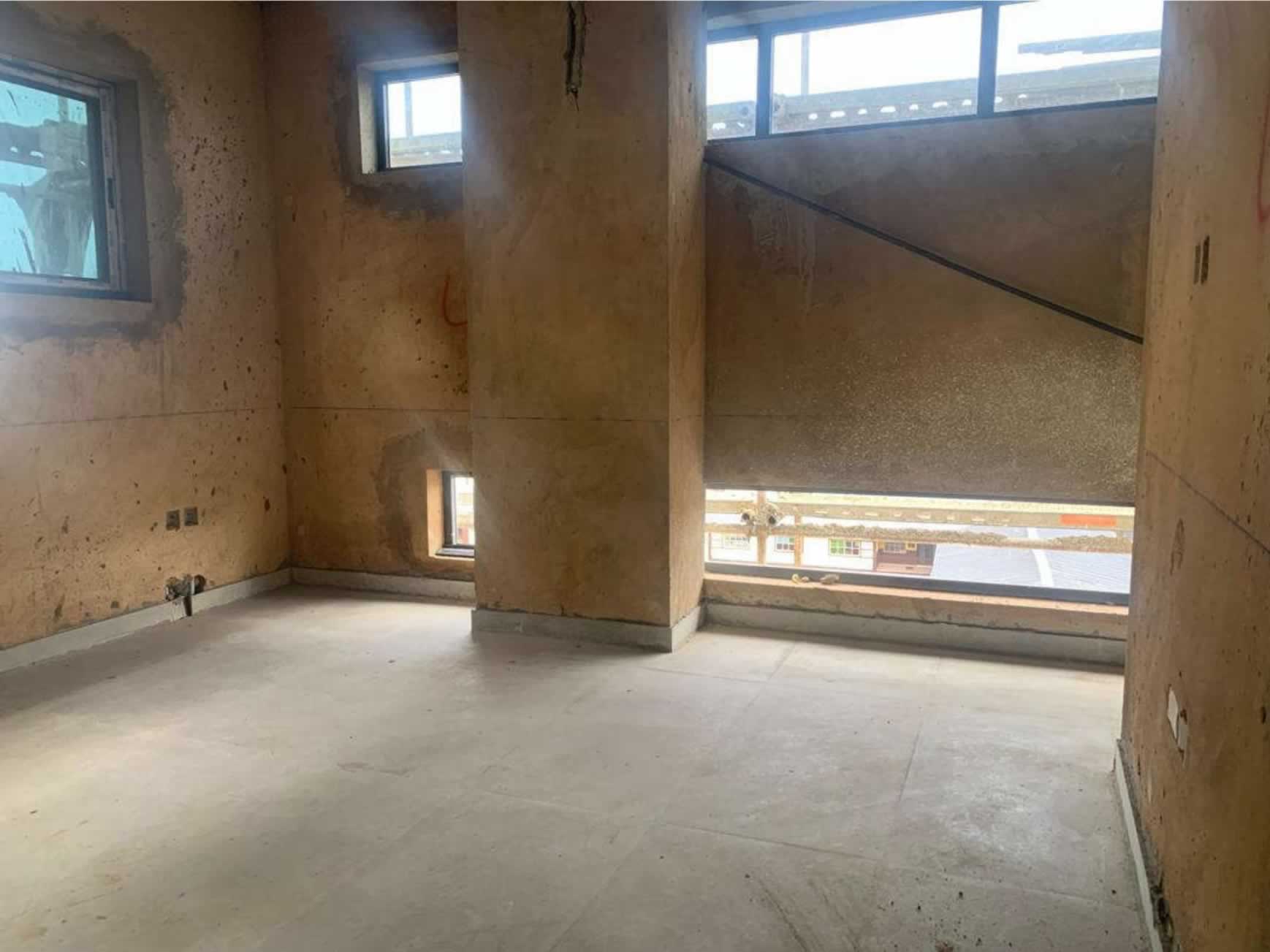
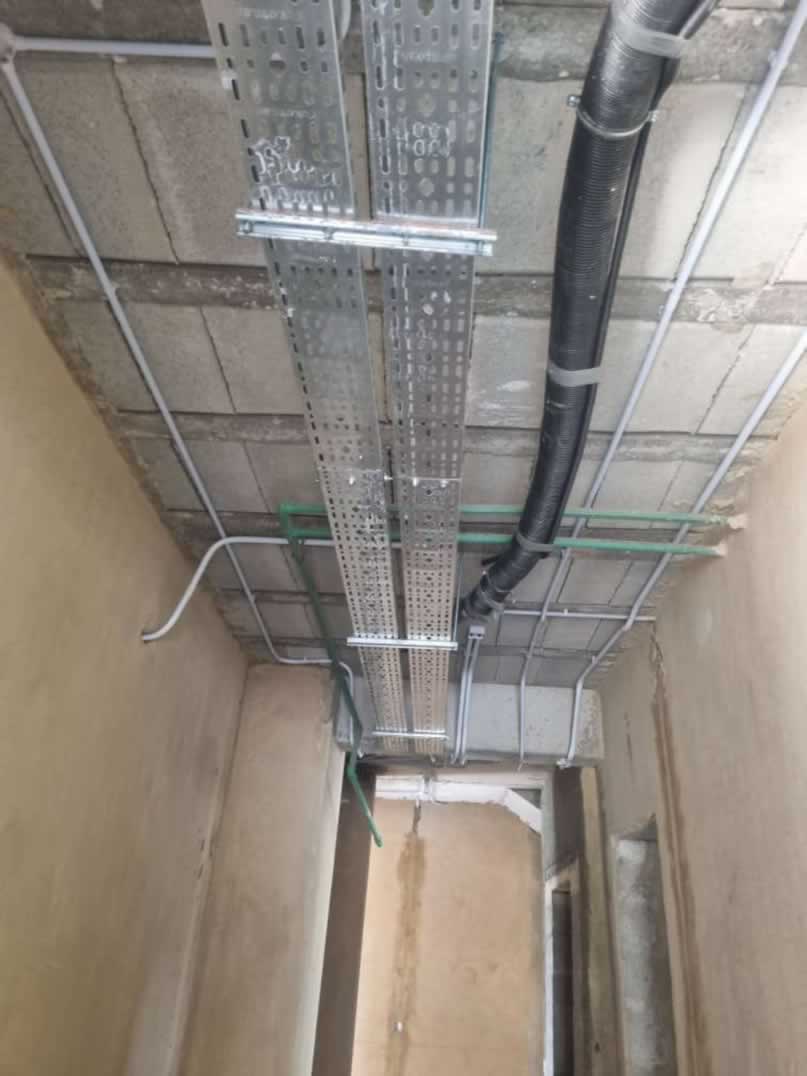
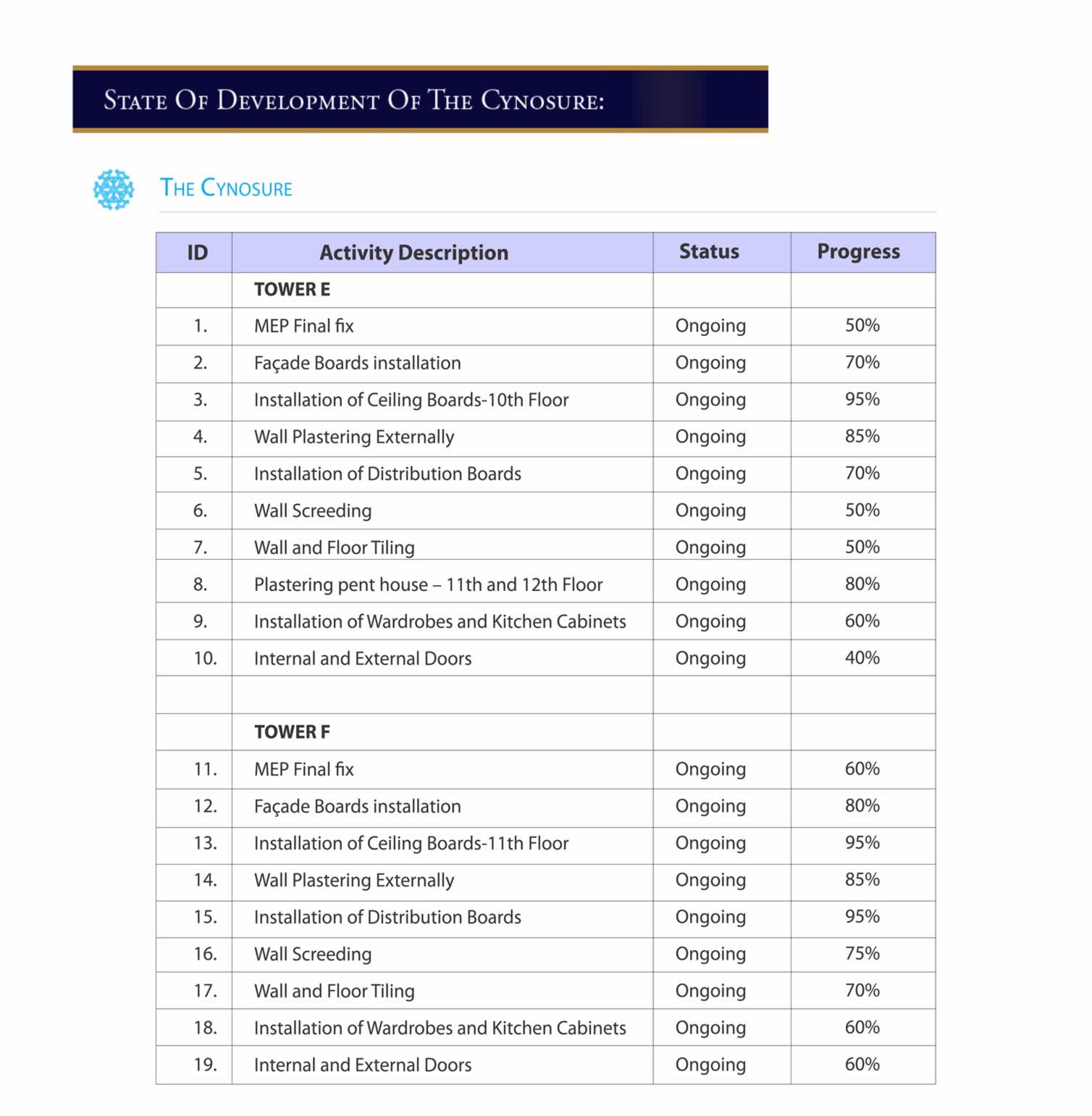
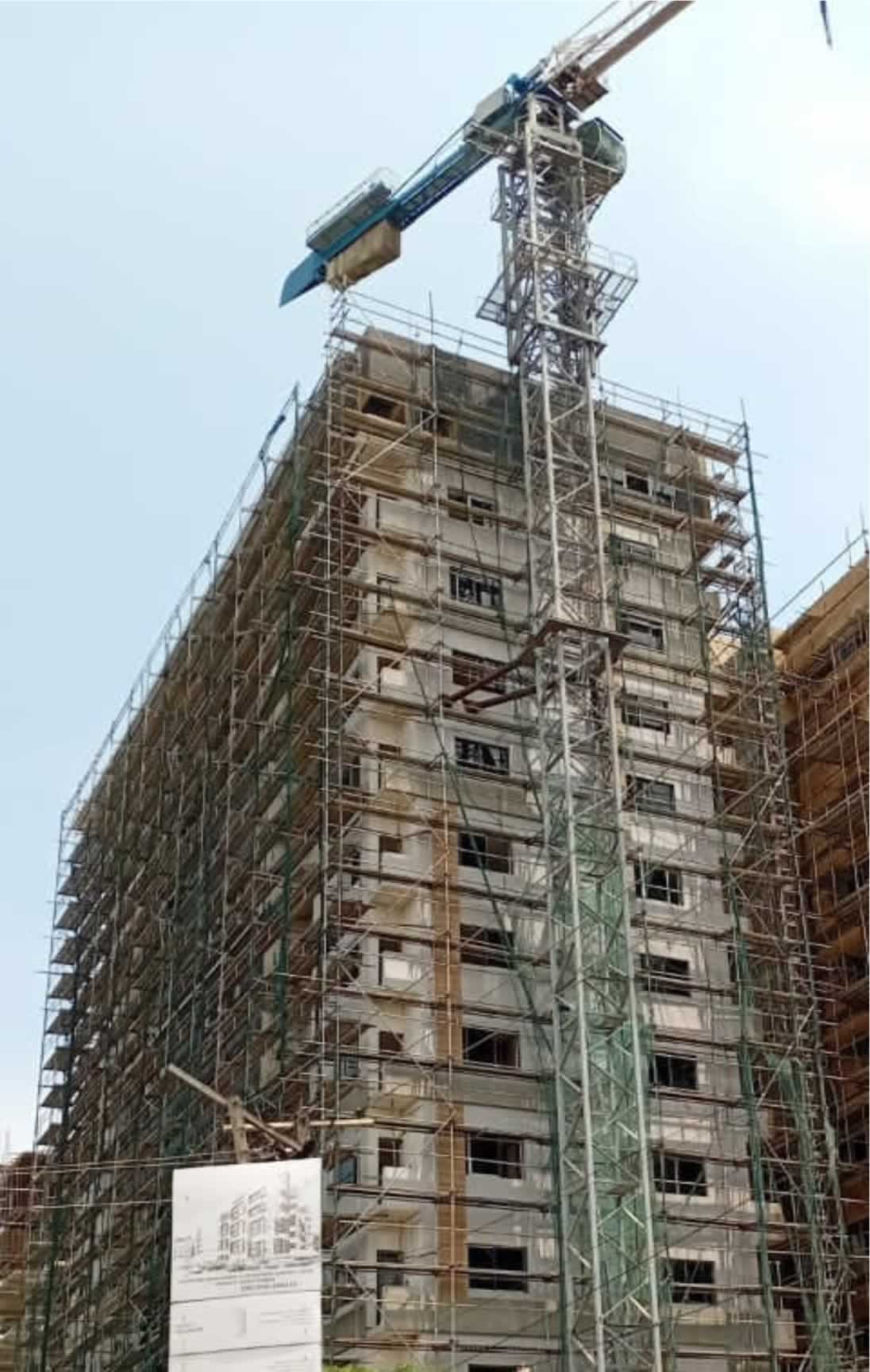
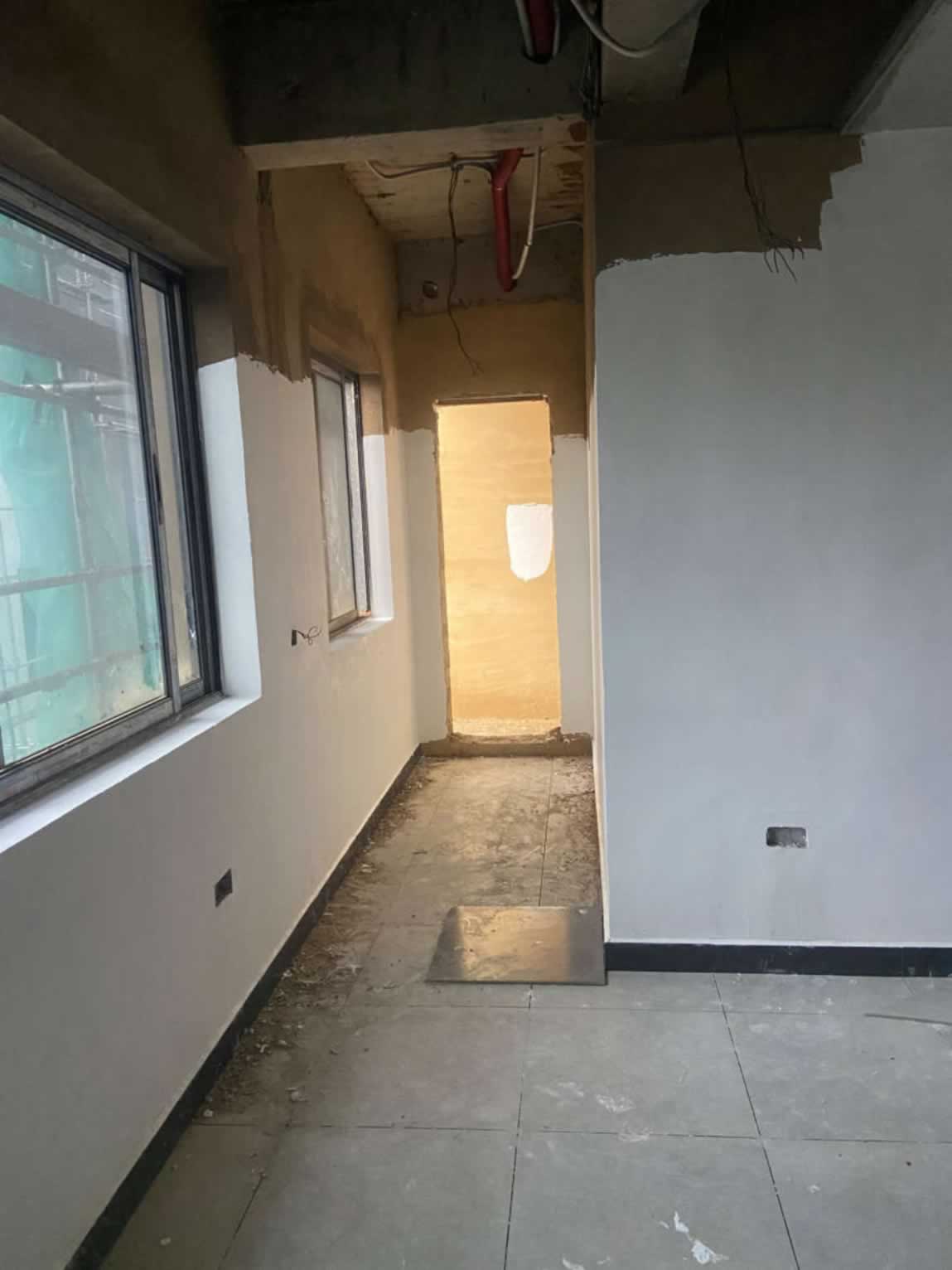
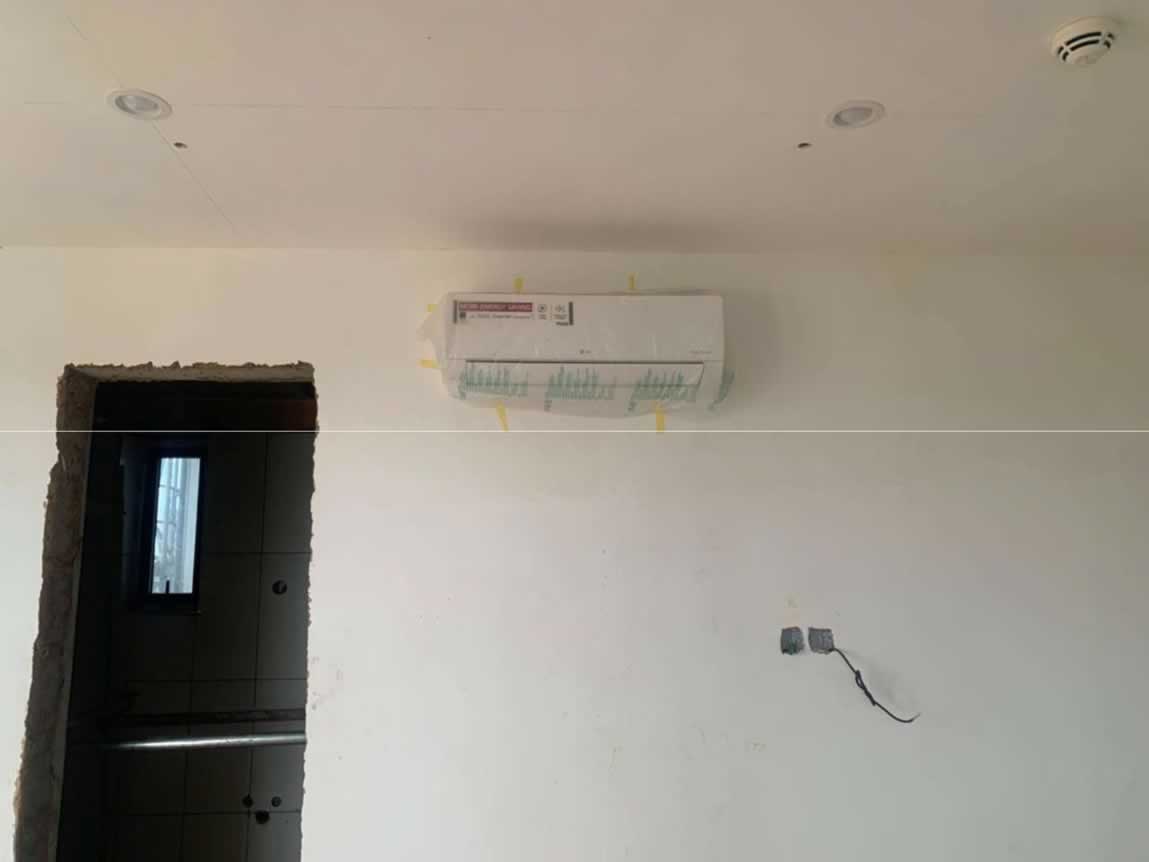
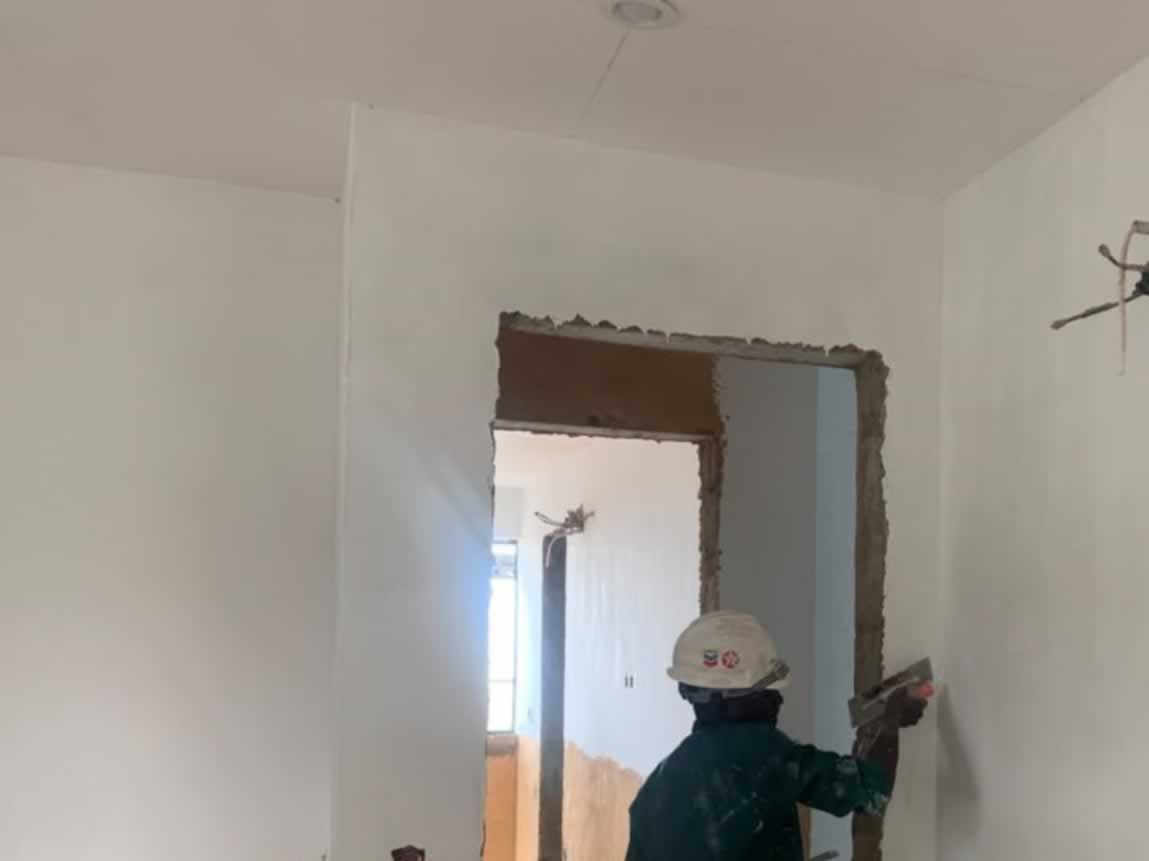
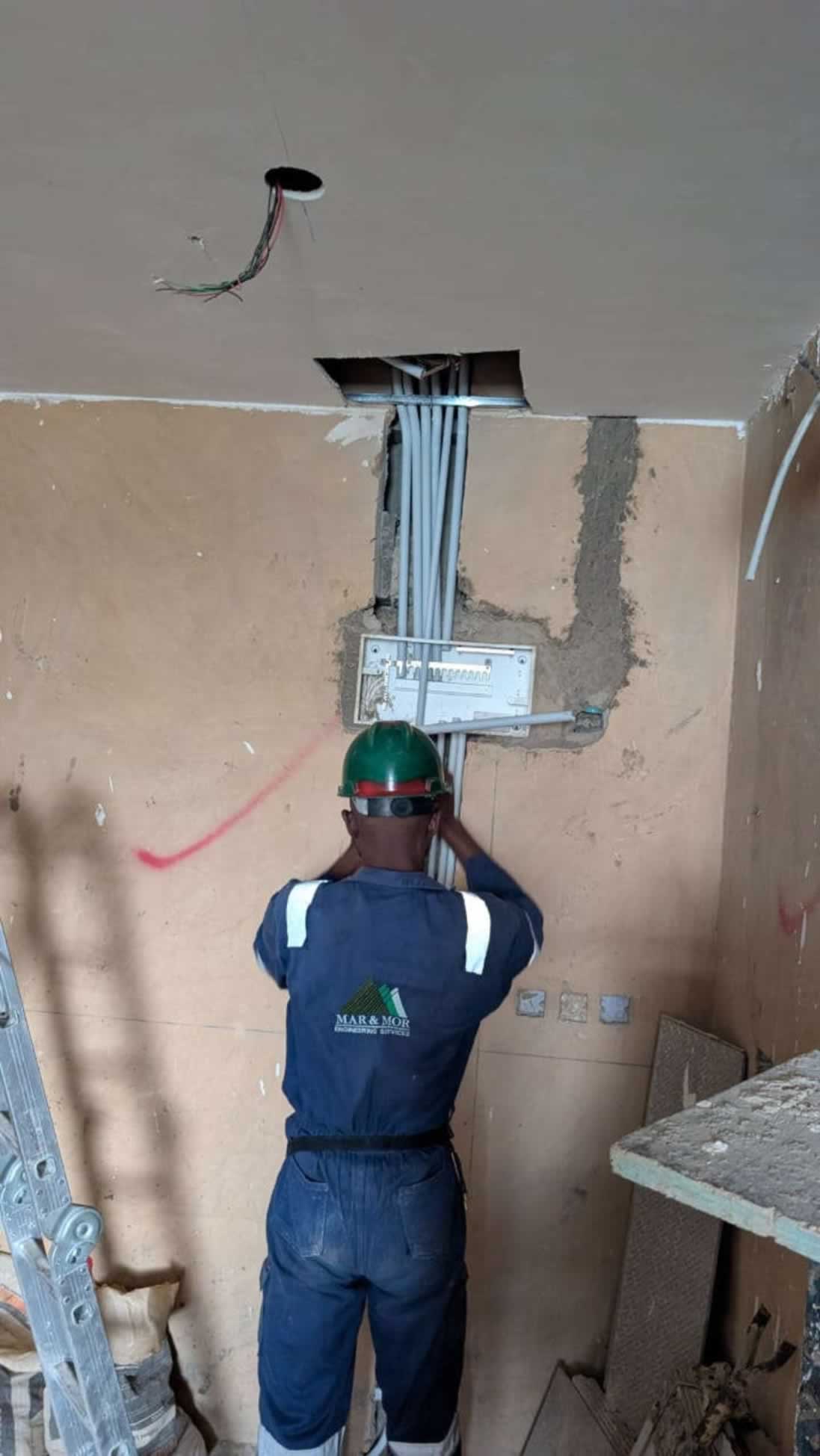
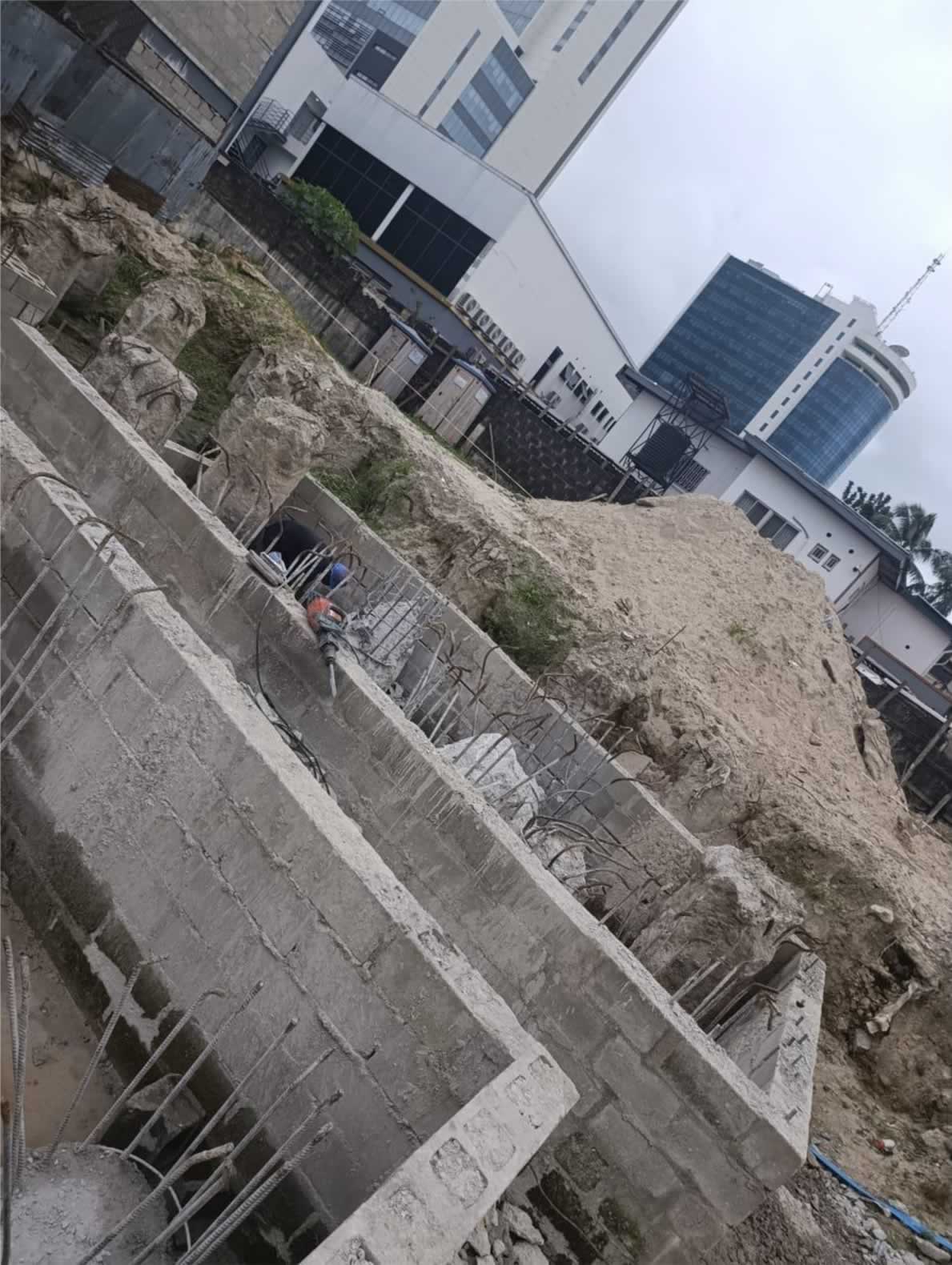
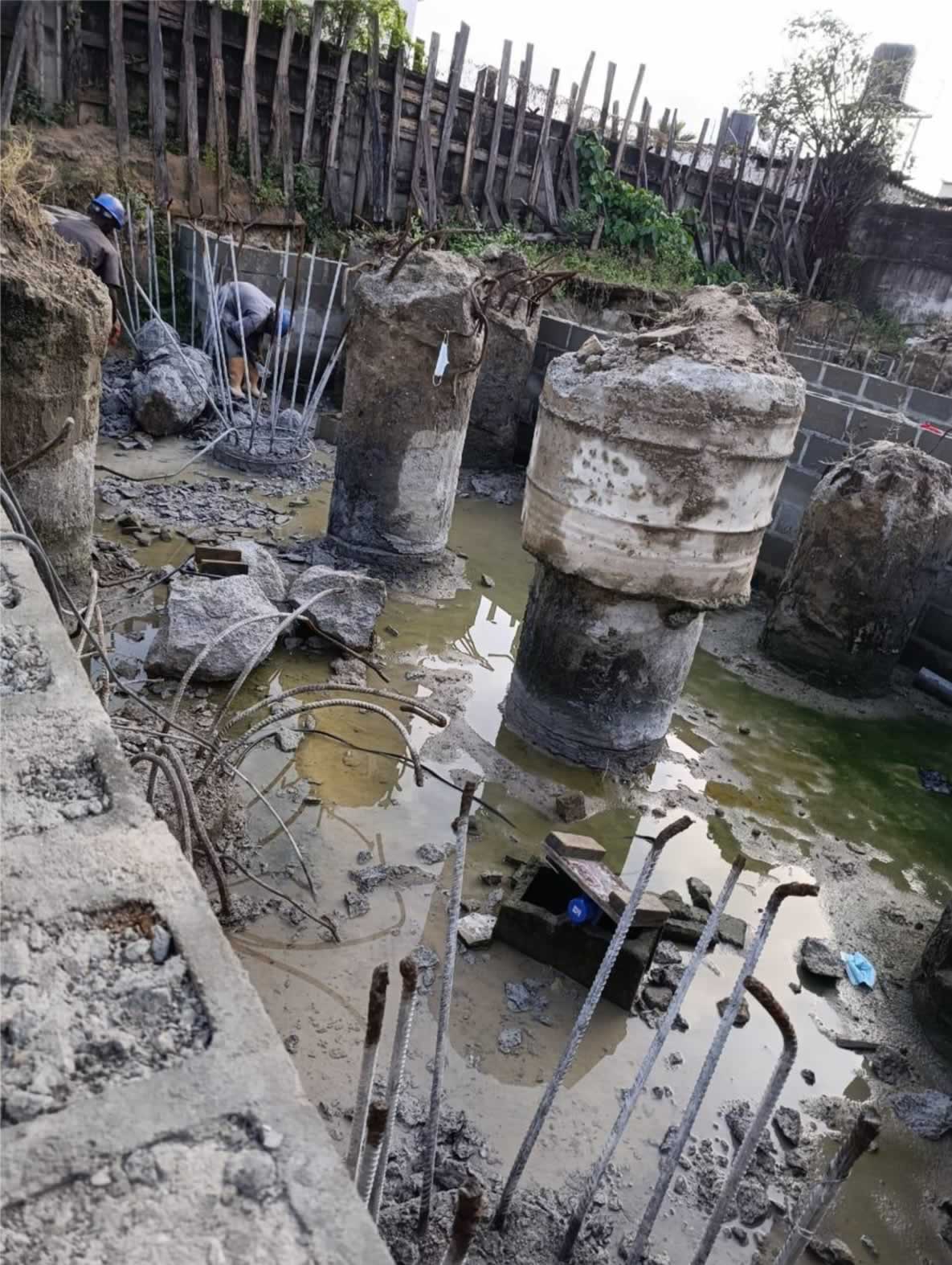
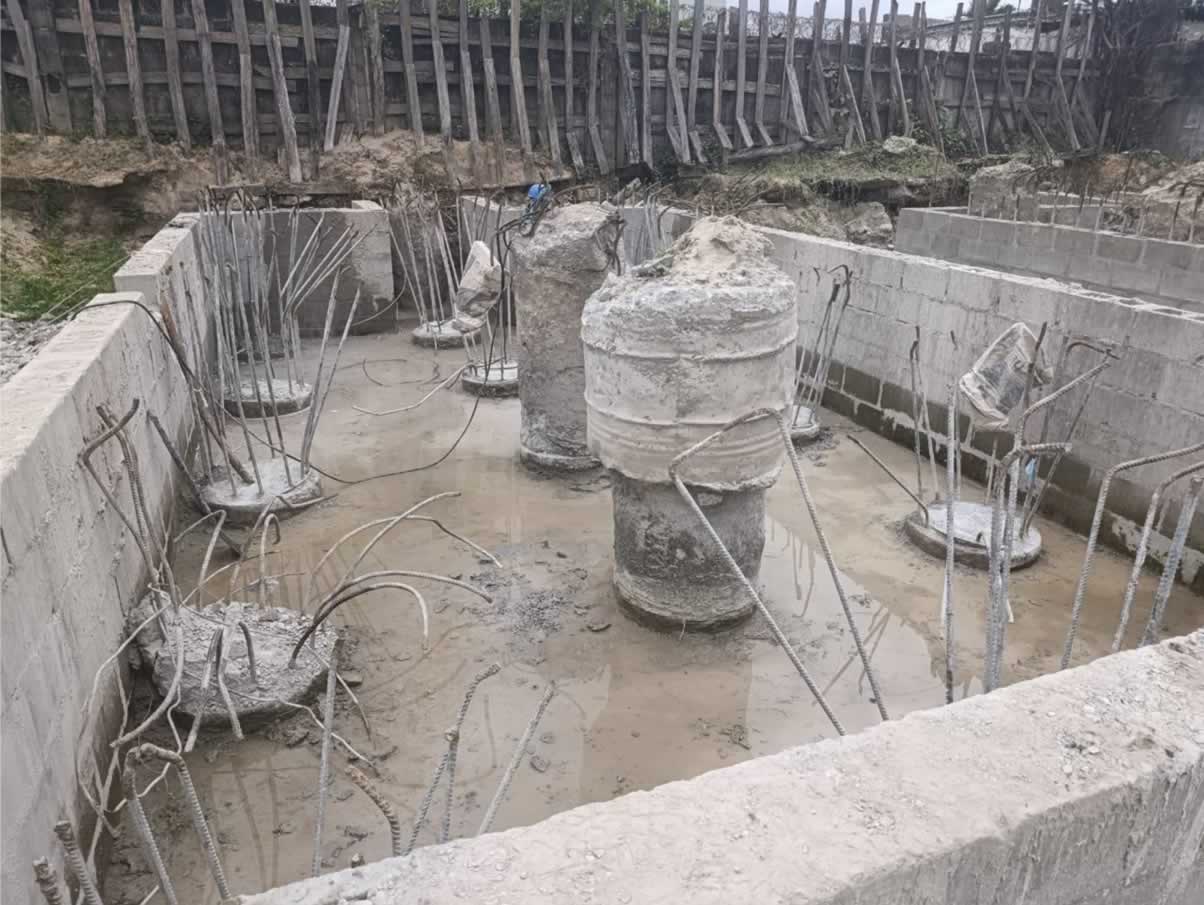
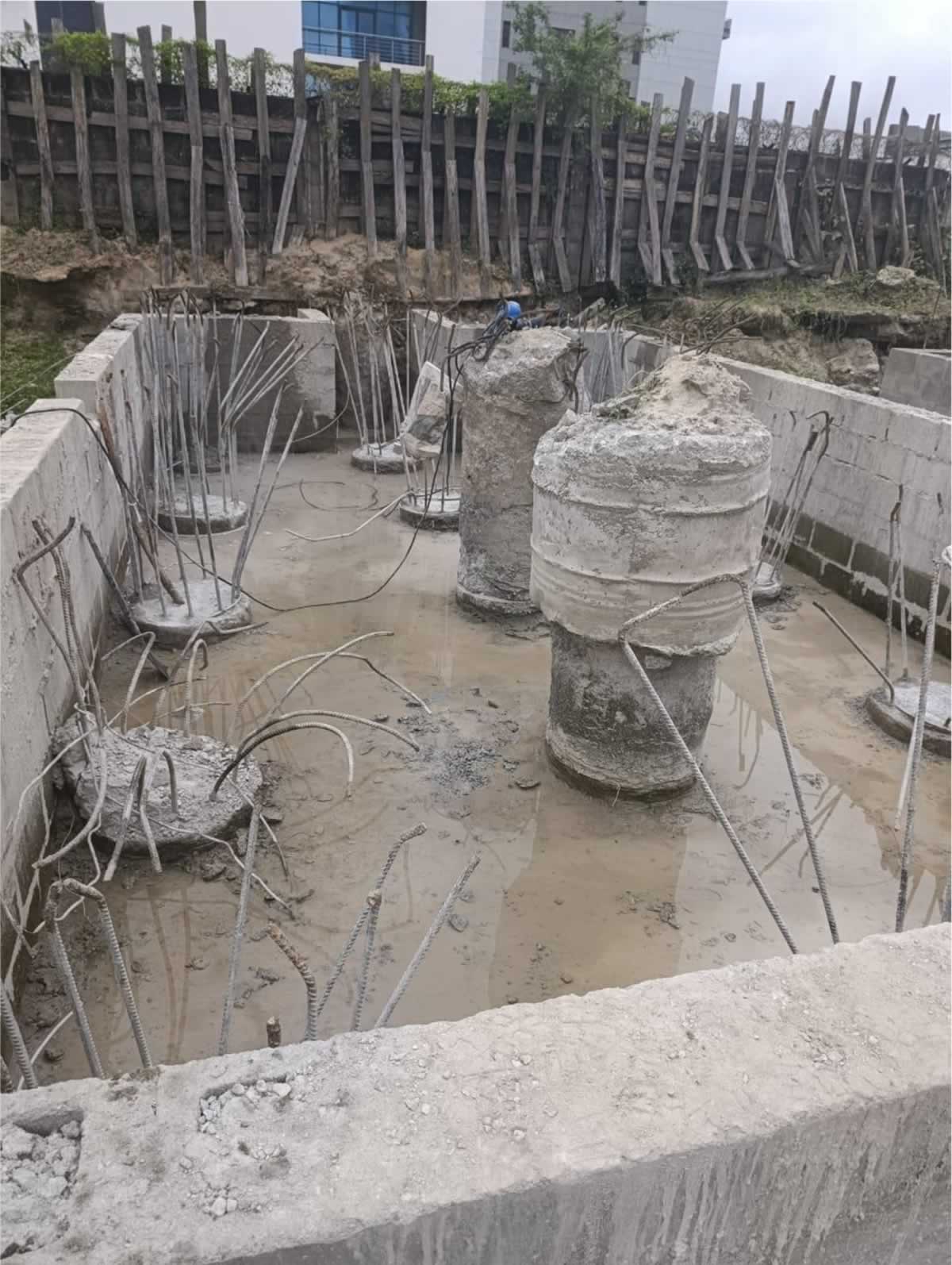
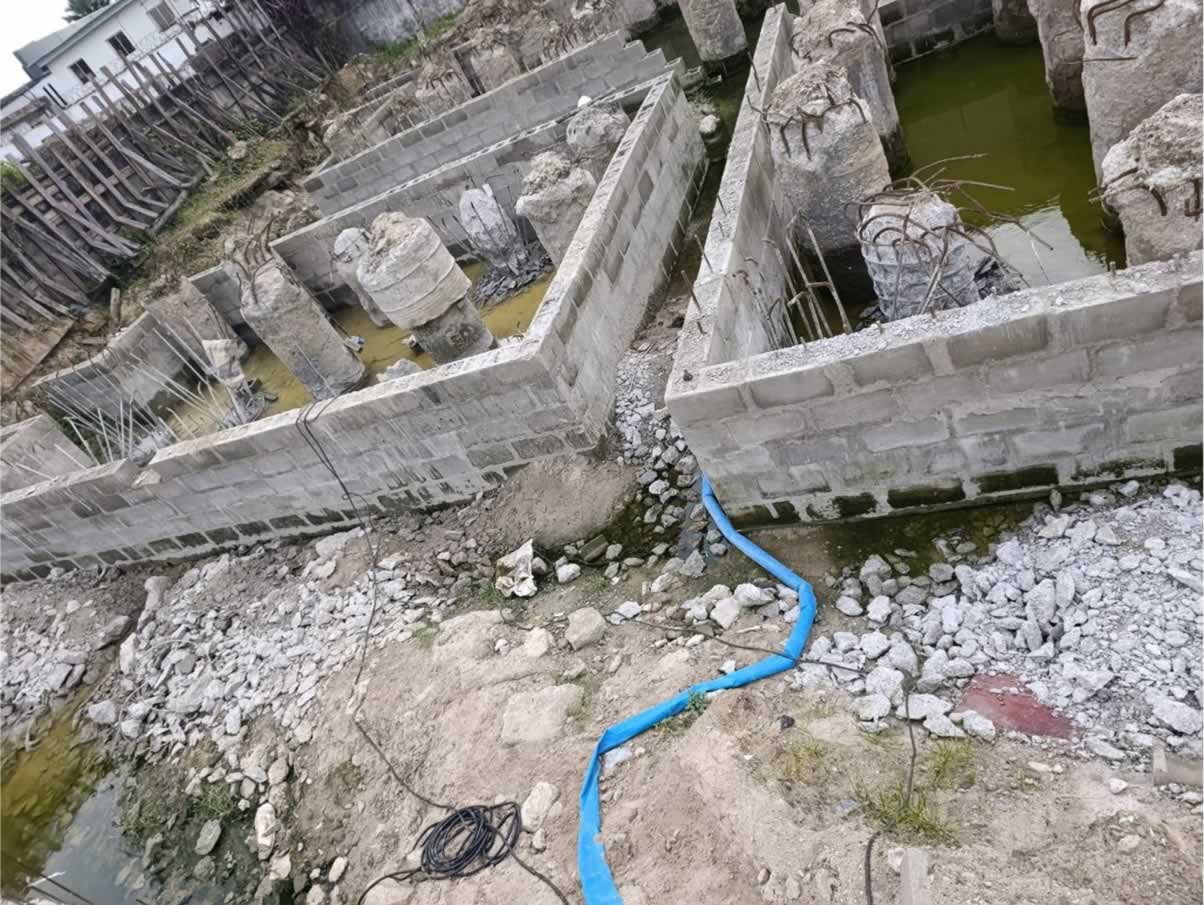
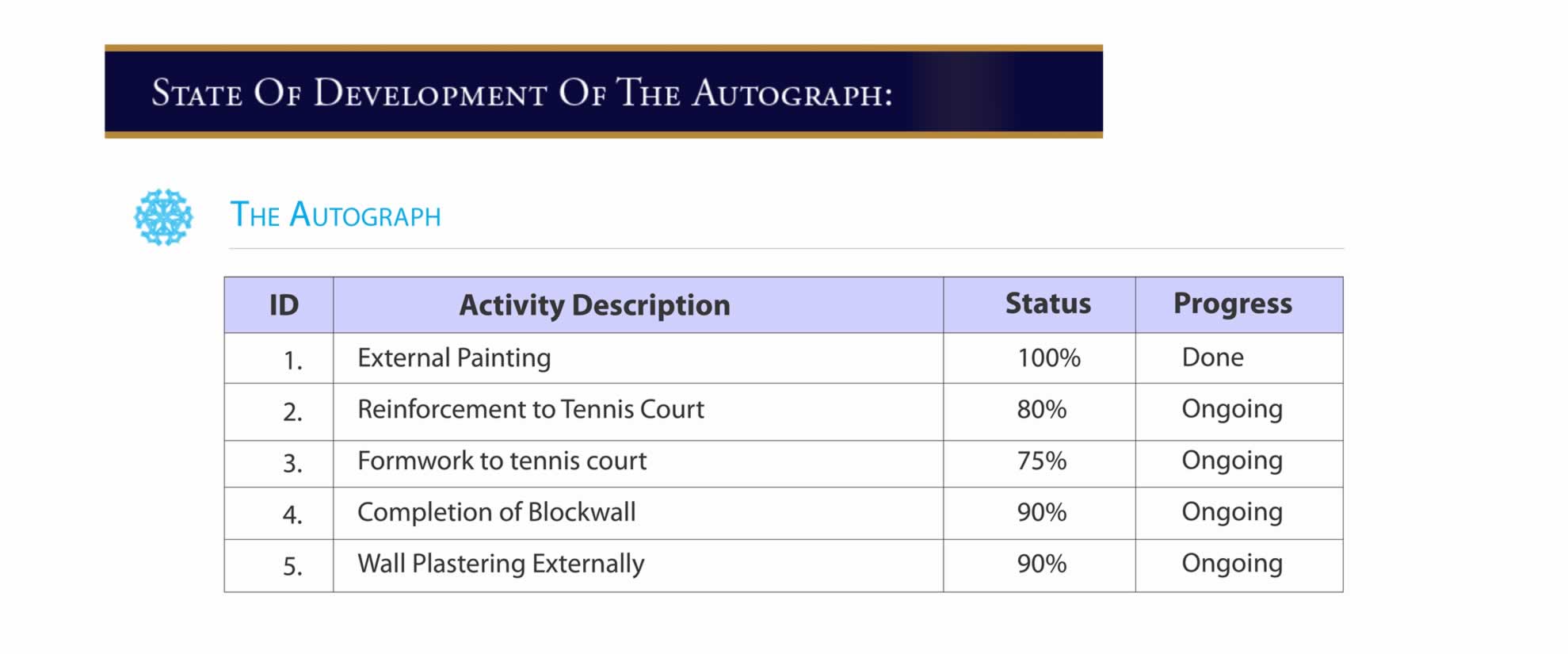
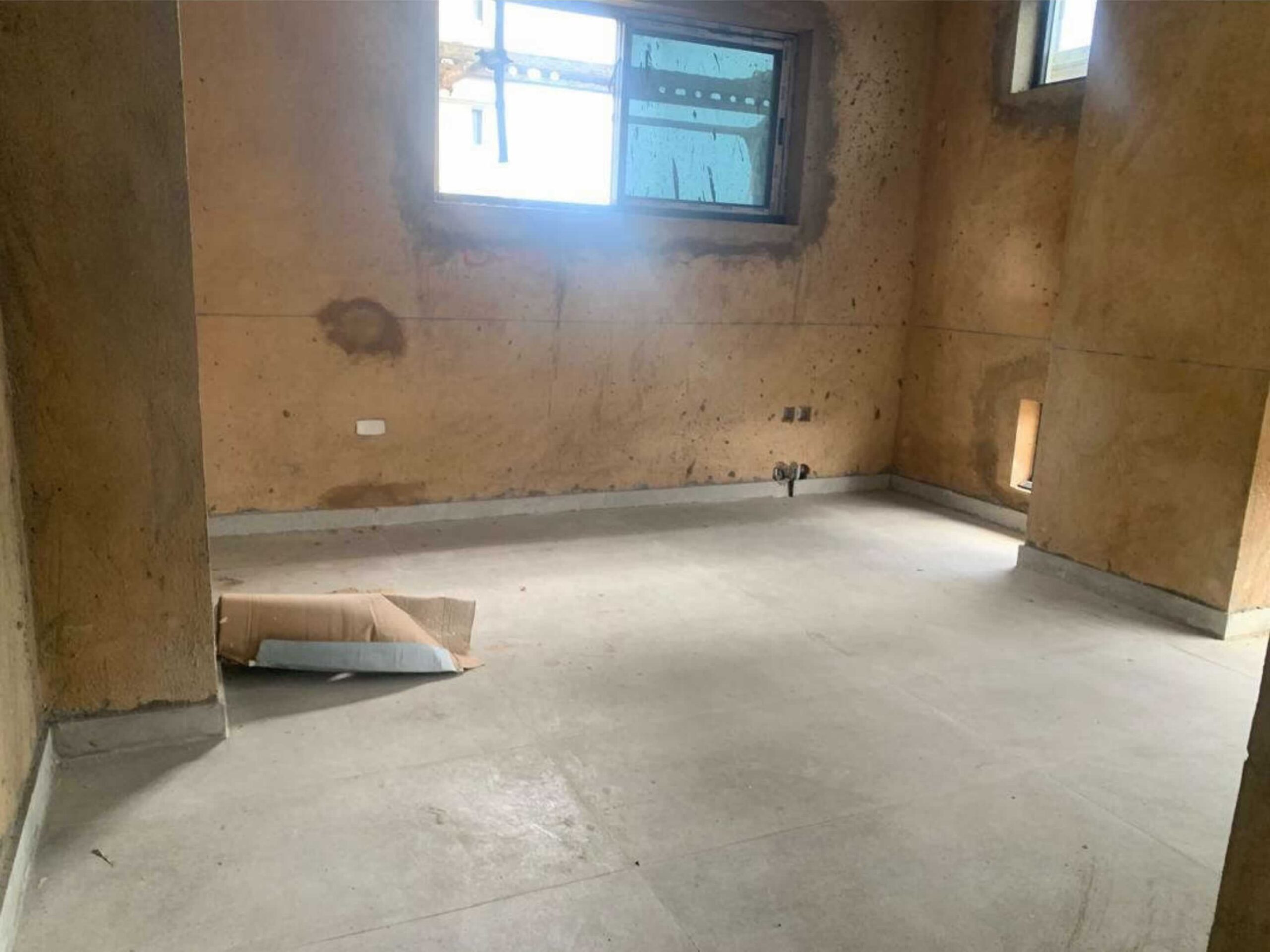
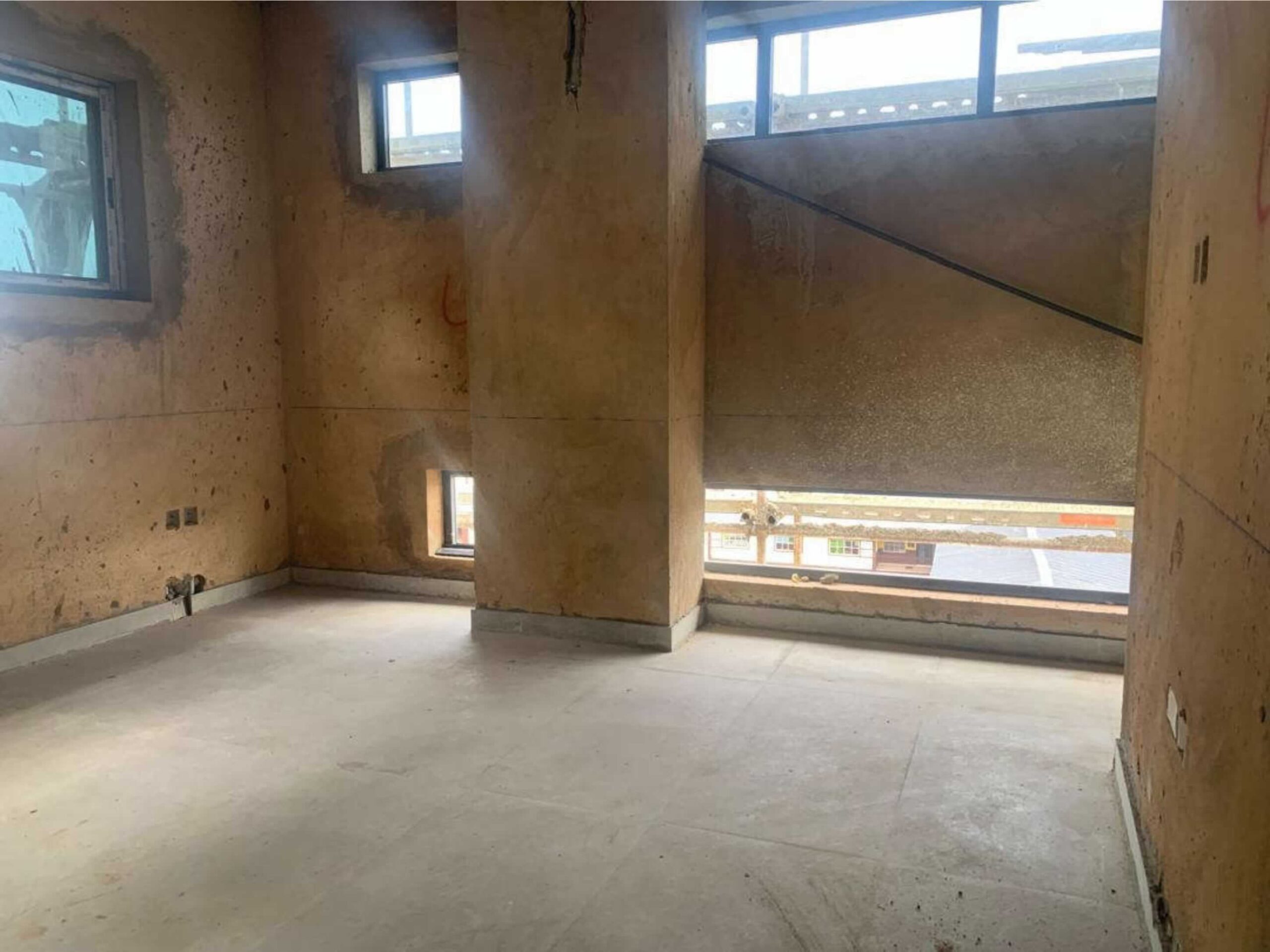
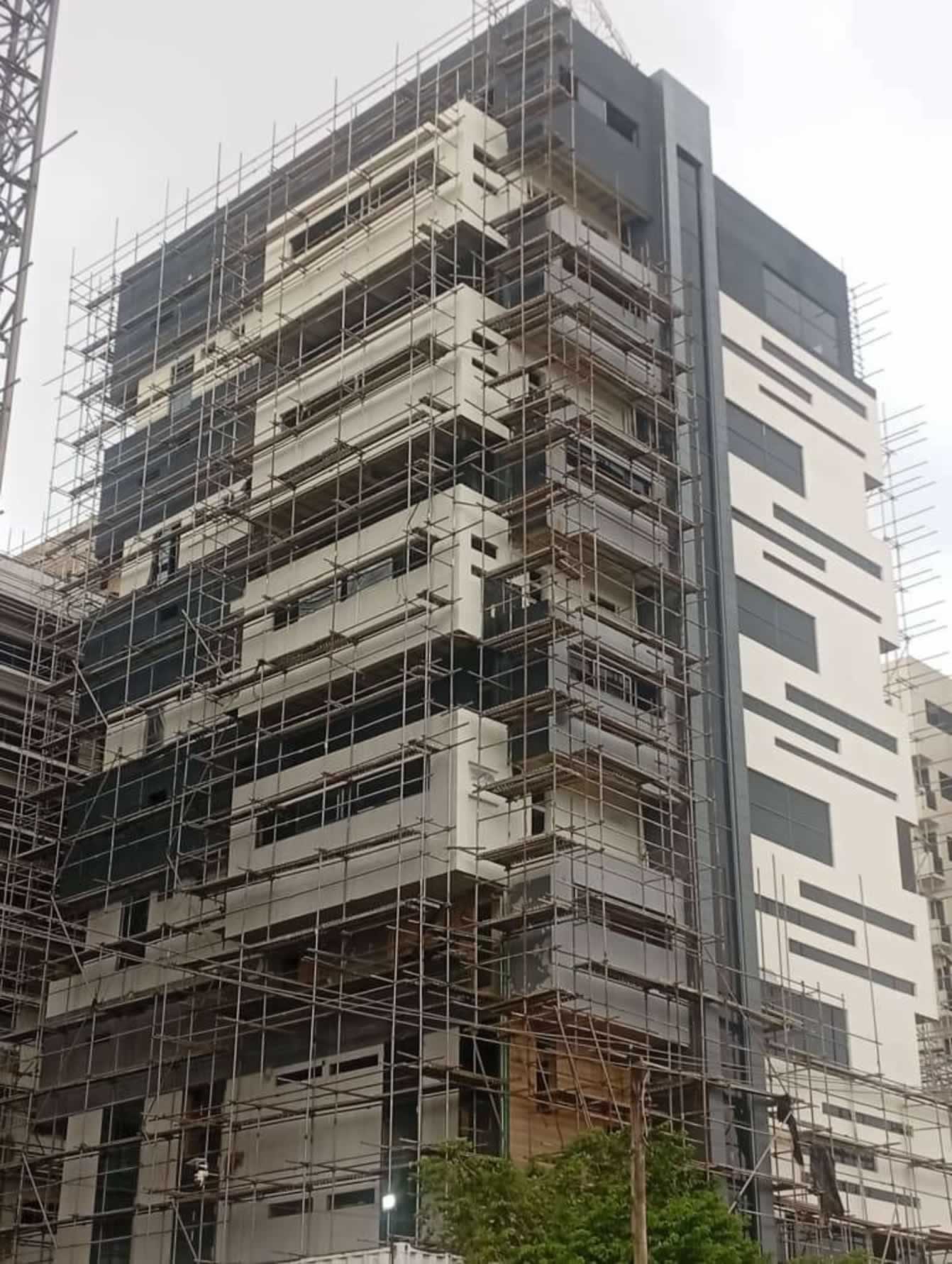
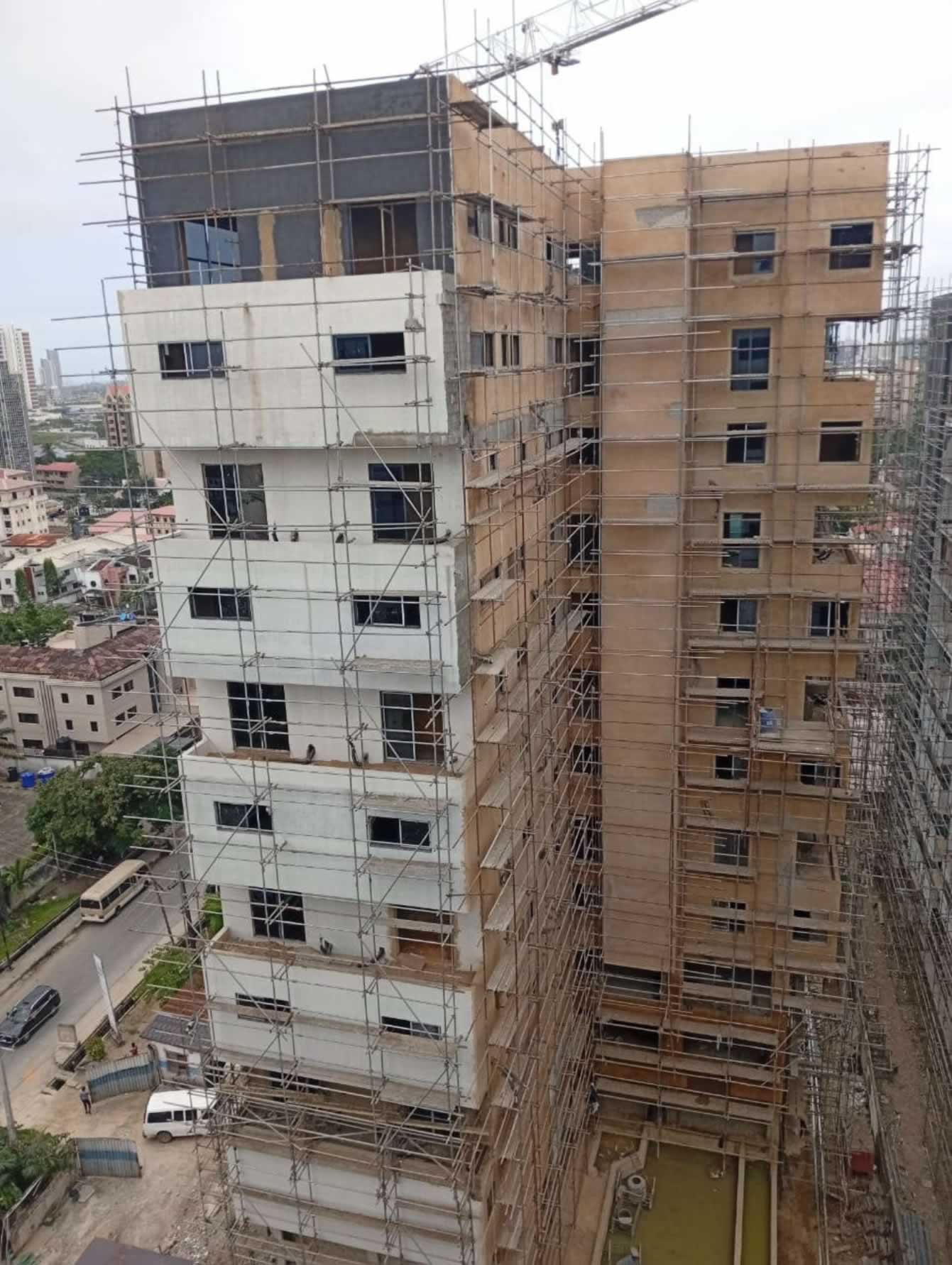
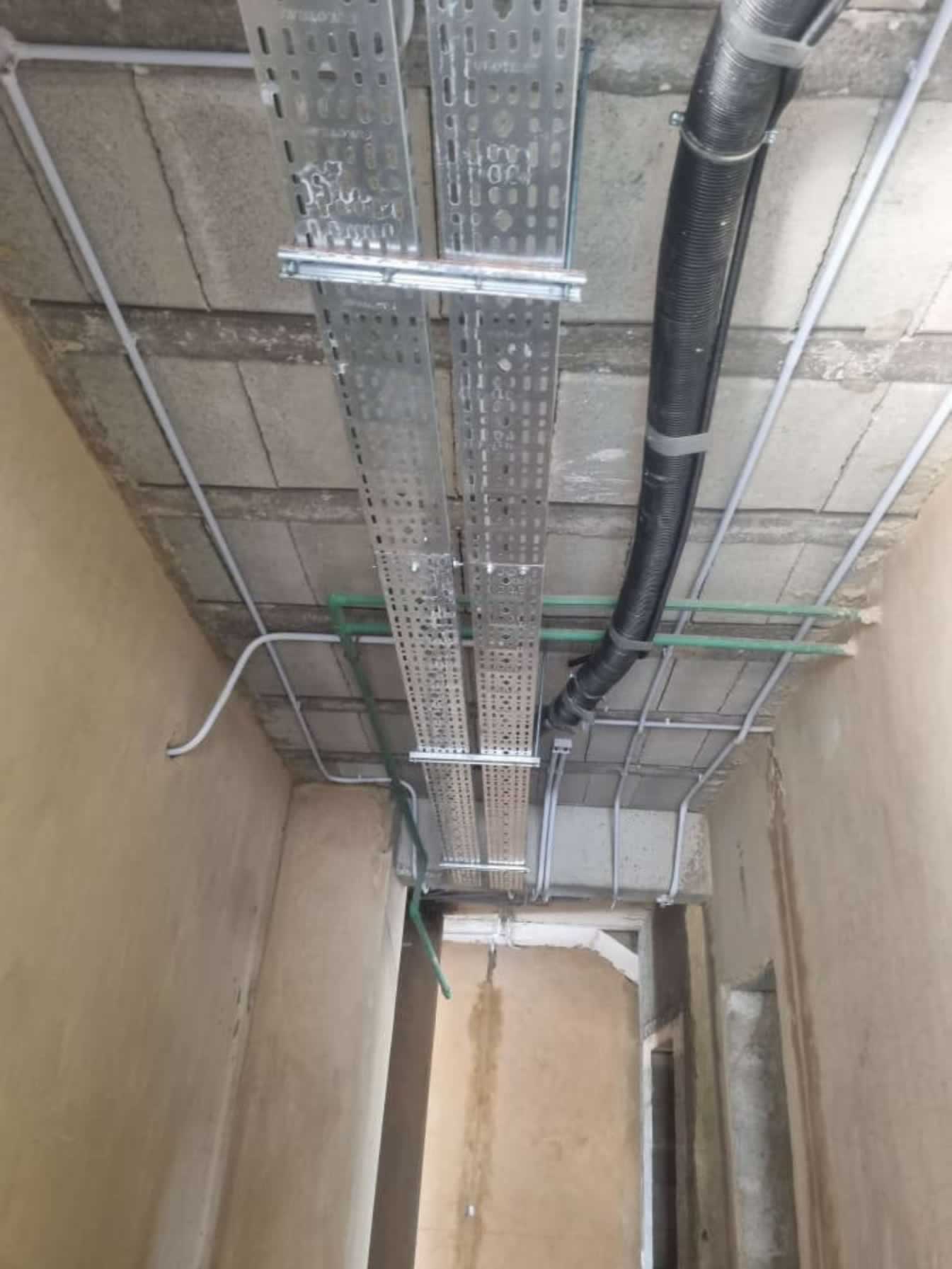
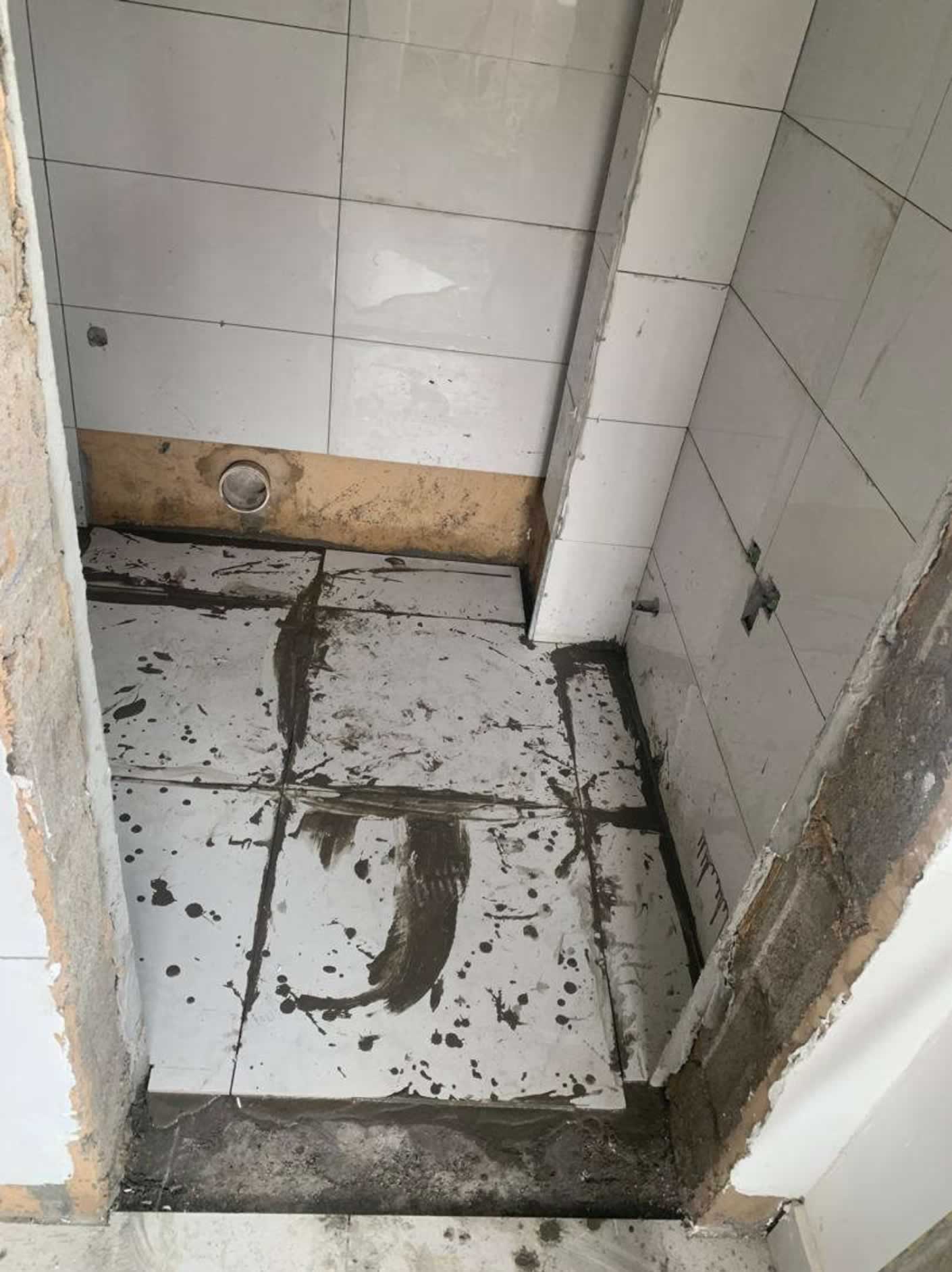
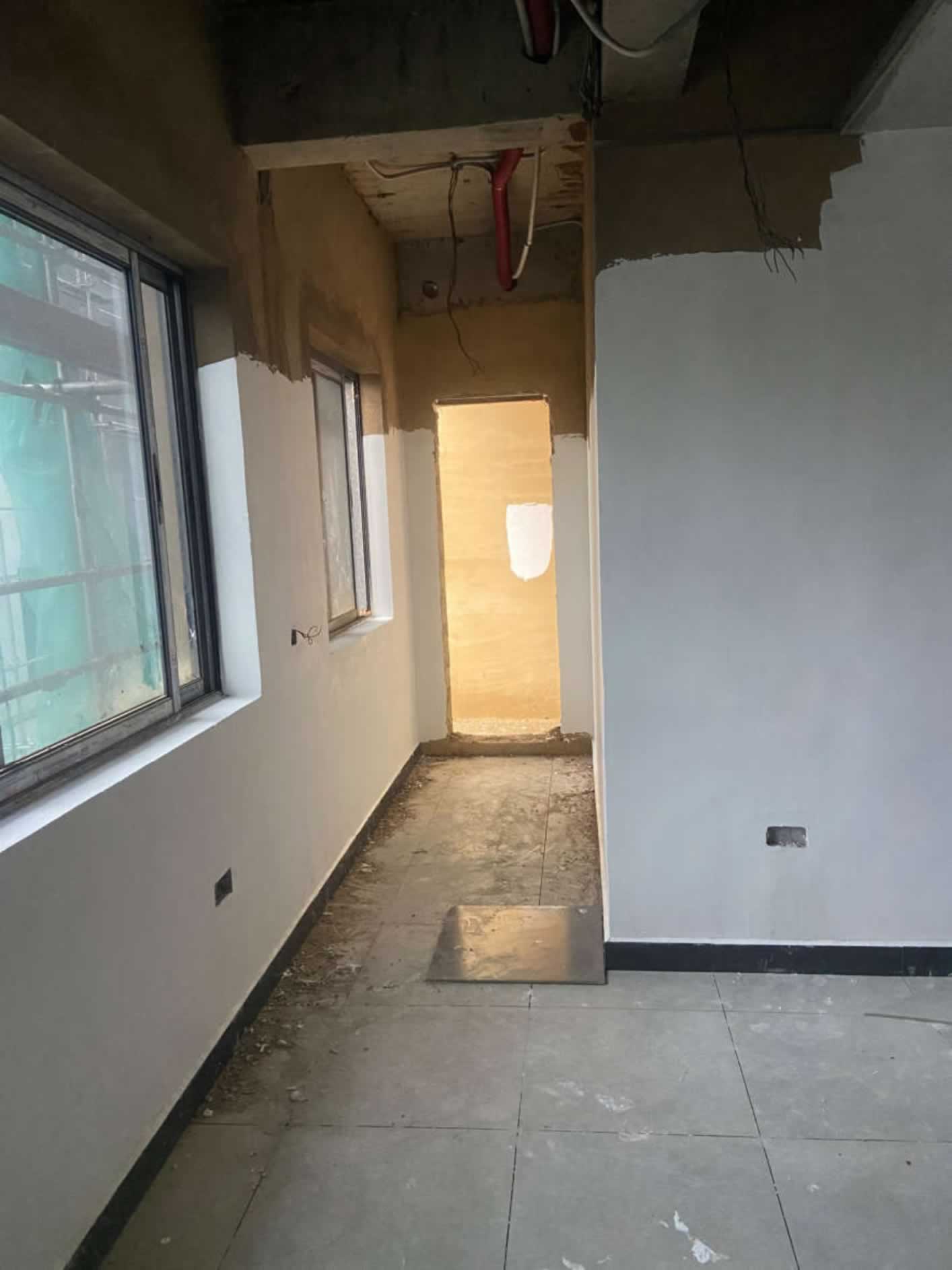
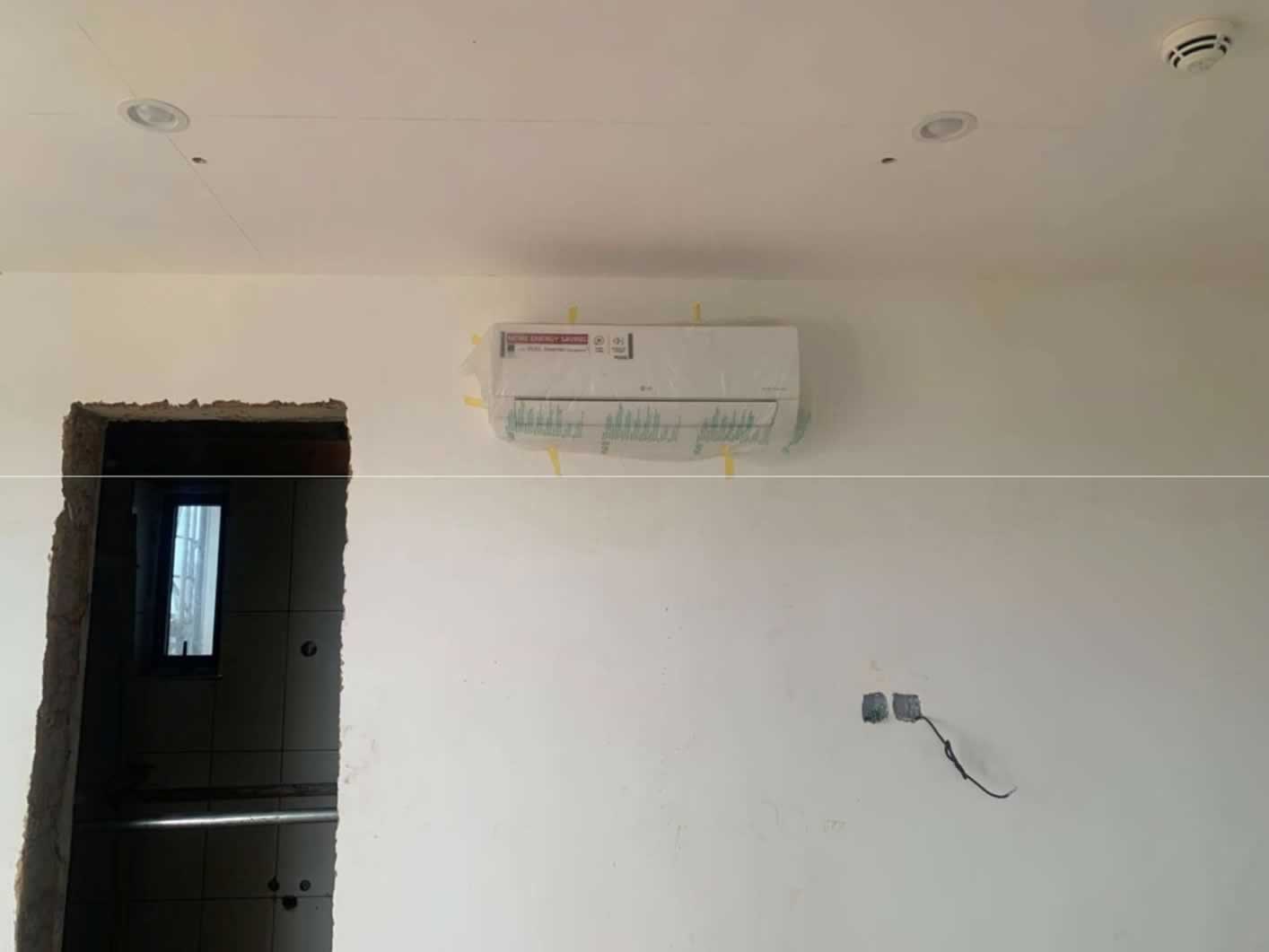
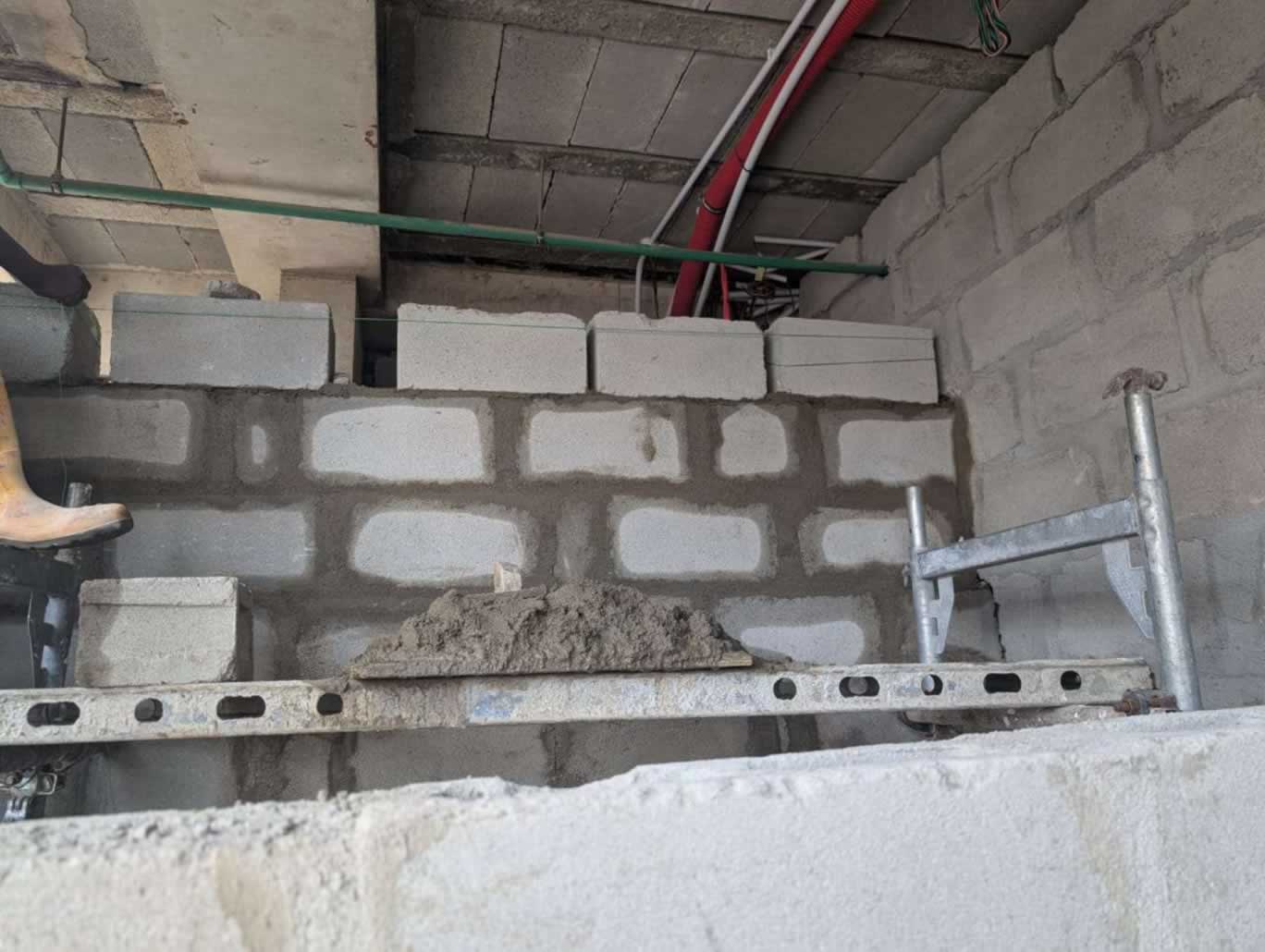
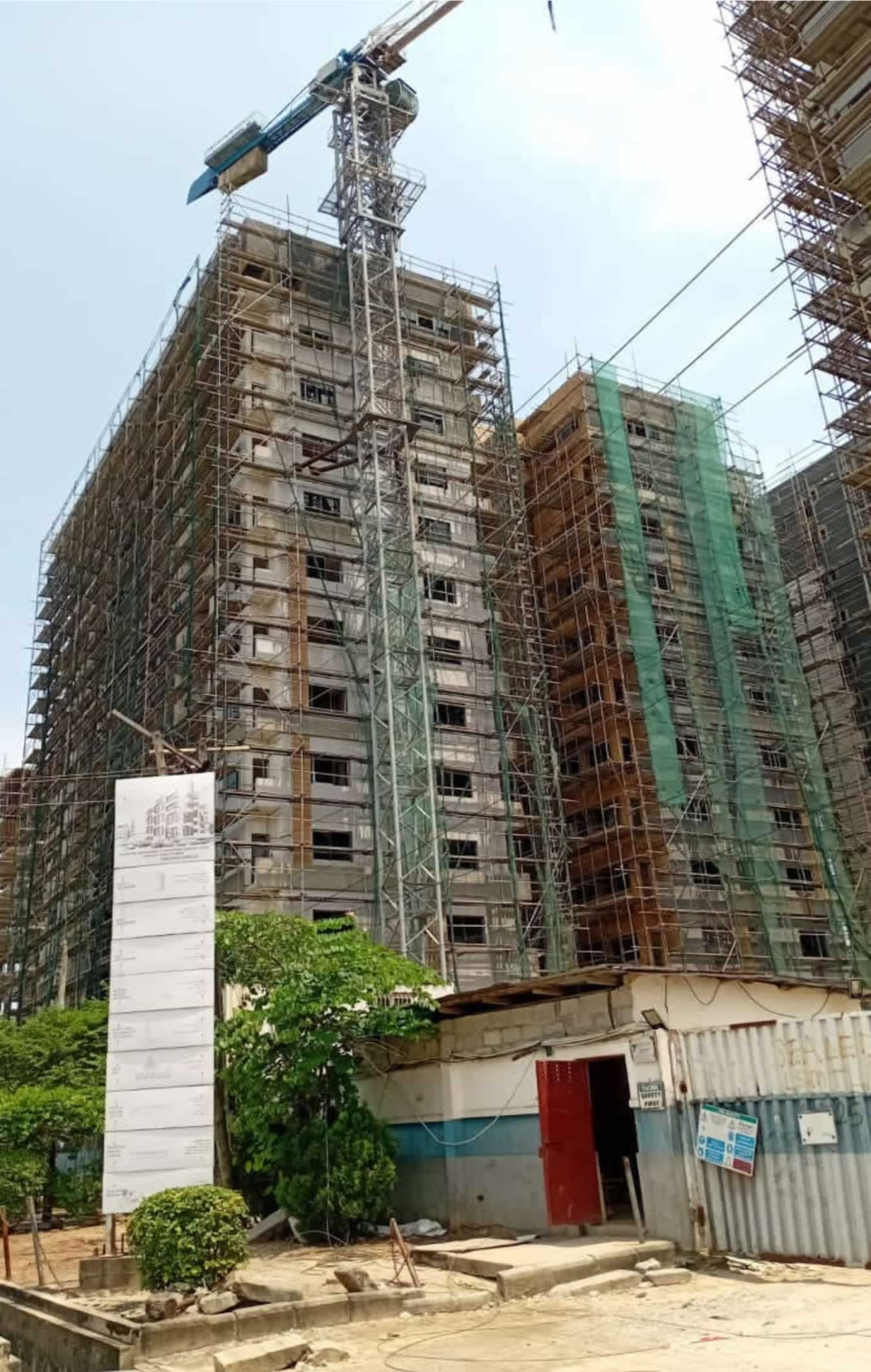
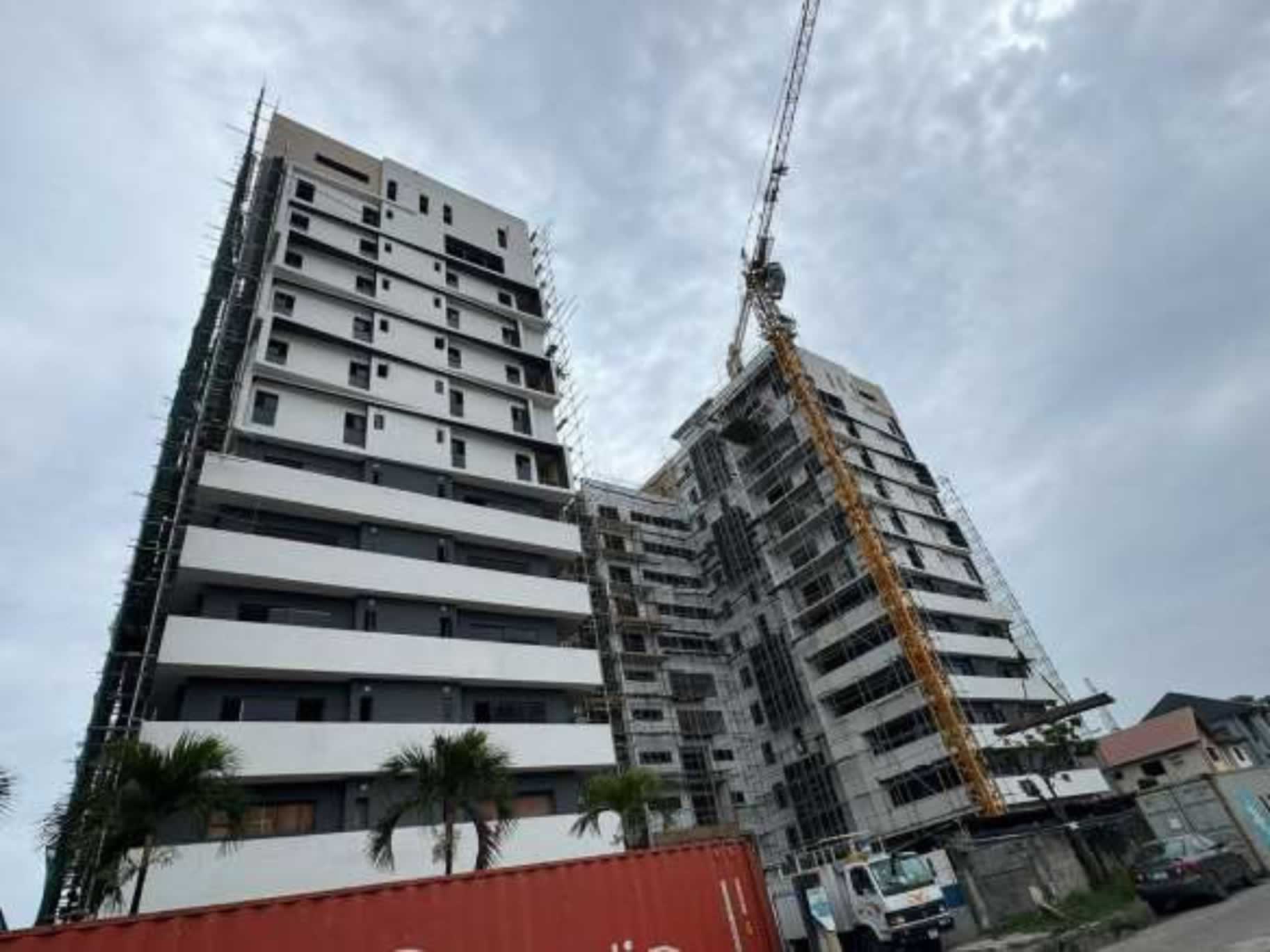
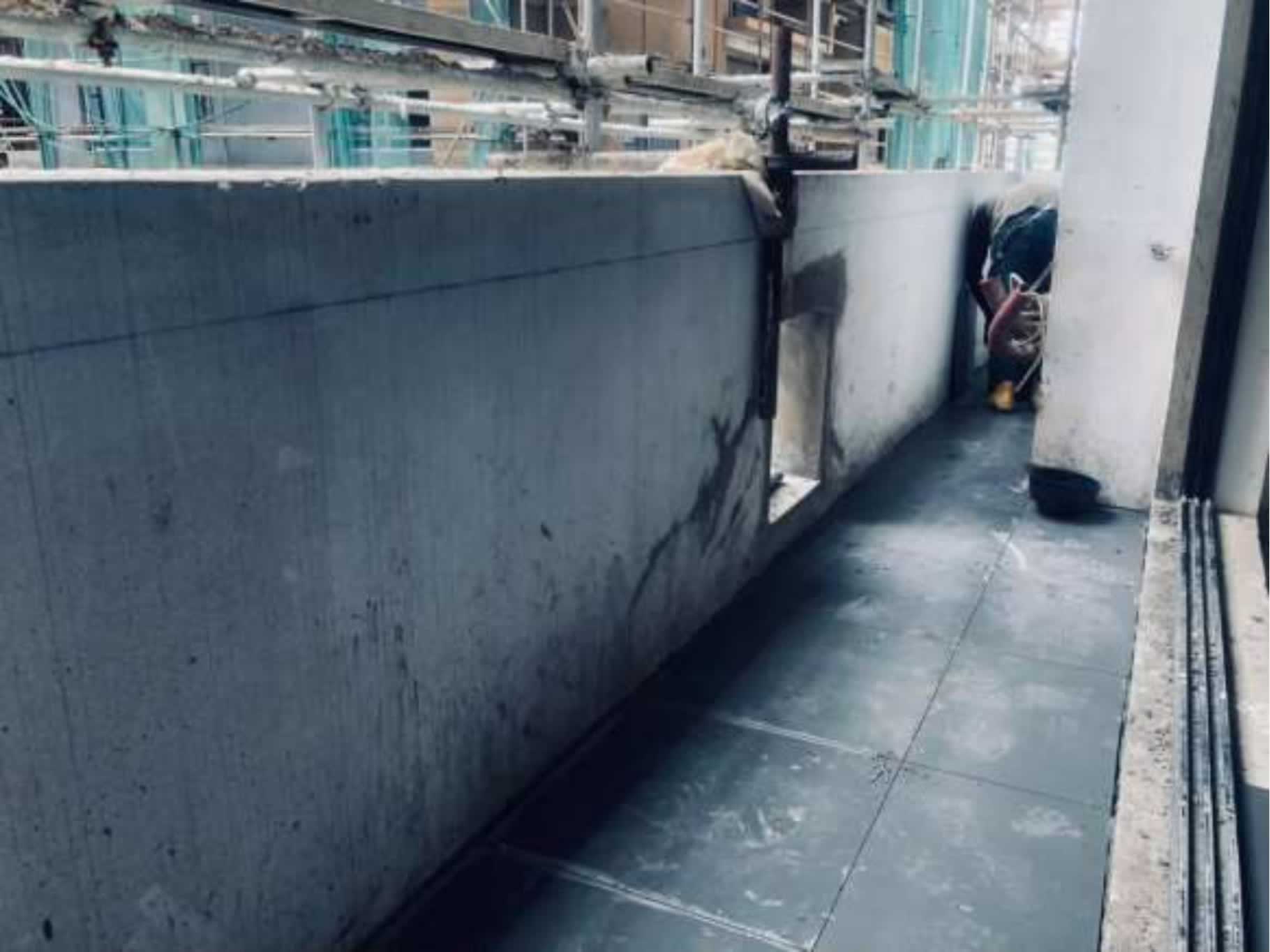
The Autograph Extended Stay Project Update October













What makes one property appreciate significantly while another struggles to grow in value?
The answer often goes beyond the building itself. Some of the world’s most successful real estate investments have benefited from strategic locations, infrastructure development, economic growth and the creation of destinations that attract people, businesses and sustained investment.
For investors, understanding these underlying growth drivers is essential to evaluating opportunities with long-term potential.
Here are 10 factors worth considering before making your next real estate investment.
Investing before a location or development reaches maturity can create opportunities to benefit from future price appreciation.
The Burj Khalifa illustrates the potential of investing in a landmark development within an emerging global destination. However, actual returns depend on the purchase price, holding period, transaction costs and eventual selling price.
The investment principle: Enter at a price that allows room for growth.
Properties in locations with limited comparable supply and sustained demand can command a premium over time.
Waterfront properties are a good example. Their distinctive views, limited coastline and lifestyle appeal can make them particularly desirable, especially in established tourism and leisure destinations.
The investment principle: Scarcity creates potential value when supported by genuine demand.
Roads, transport links, reliable utilities and improved connectivity can make locations more accessible, functional and attractive to residents and businesses.
Infrastructure can also unlock previously underserved areas, creating opportunities for property values to rise as accessibility and surrounding economic activity improve.
The investment principle: Look beyond the property to the infrastructure shaping its future.
Developments that integrate residential living, hospitality, retail, leisure and recreation can attract a wider audience and create multiple reasons for people to visit, stay and return.
Nautica Rise, as part of the wider Nautica Ecosystem, reflects this destination-led approach, bringing together coastal living, hospitality and leisure within a broader lifestyle proposition.
The investment principle: A compelling destination can create value beyond individual buildings.
Expanding businesses, employment opportunities and rising purchasing power can strengthen demand for housing, commercial spaces and investment properties.
Lagos illustrates the relationship between economic concentration, commercial activity and property demand. Its role as a major Nigerian business hub supports demand across residential, commercial and hospitality markets, although returns vary significantly by location and property type.
The investment principle: Understand the economic activity supporting demand in your target market.
Growing urban populations and household formation can increase demand for residential properties, particularly where housing supply aligns with affordability, accessibility and lifestyle needs.
However, population growth alone does not guarantee appreciation. The quality, location and pricing of available housing must align with what prospective residents can afford.
The investment principle: Population growth creates opportunity when supported by effective housing demand.
A distinctive identity, credible reputation and consistent customer experience can differentiate a development and strengthen its appeal to buyers, residents and investors.
Cruxstone’s Iconic Towers development illustrates the importance of creating a recognisable property identity supported by the delivery and experience associated with the development.
The investment principle: A strong brand can enhance desirability, but its value must be supported by delivery and customer trust.
A compelling vision must be supported by effective planning, quality construction, financial discipline and timely delivery.
Developers must execute their plans in line with the specifications, commitments and vision communicated to investors and other stakeholders. Consistent delivery builds confidence and supports long-term brand credibility.
The investment principle: A promising concept creates expectations; execution turns those expectations into tangible value.
Rental income from residential, commercial and hospitality assets can provide cash flow while an investor holds a property, complementing potential long-term appreciation.
Autograph Plus, with its managed hospitality investment proposition, illustrates how professional property management and an income-focused model can support an investor’s objectives. Any stated minimum returns remain subject to the applicable contractual terms and conditions.
The investment principle: Evaluate both the potential for capital appreciation and the income an asset can generate.
An investment’s value is only part of the equation. The availability of qualified buyers, an active resale market and clear transaction processes influence how easily investors can realise their returns.
Nigeria’s housing needs and concentrated urban demand create opportunities across several property segments. However, resale timelines and prices vary, and strong overall demand does not guarantee that every property can be sold quickly or profitably.
The investment principle: Consider your exit strategy before committing your capital.
Real estate investment requires more than identifying a property with an attractive price. It involves understanding the economic, infrastructural and commercial forces that could shape its future value.
At Cruxstone Development & Investment Ltd., we believe in the potential of integrated destinations that bring together living, business, leisure and investment opportunities.
Our approach looks beyond individual structures to the broader experience, functionality and long-term potential of the places we create.
Because successful real estate investment is not simply about what you buy today. It is also about understanding the forces that could shape its value tomorrow.
Invest with insight. Think beyond the building.
Cruxstone Development & Investment Ltd.
Building Living Destinations.

Lagos has grown significantly in stature as a commercial city, and few places capture that transformation quite like Ikoyi.
Historically, Ikoyi developed as an administrative and residential district. Over time, however, its identity evolved, giving rise to one of the most prominent and dynamic neighbourhoods in Lagos.
Today, Ikoyi sits at the heart of a wider growth corridor, influencing the development and economic activity around Victoria Island, Banana Island, Lekki and their surrounding areas. What was once primarily residential has become part of a much larger ecosystem of premium real estate, business, hospitality, investment and commerce.
This transformation reflects a broader story playing out across Lagos.
What began as a colonial-era residential area developed significantly after Nigeria’s independence. By the turn of the century, Victoria Island had become increasingly commercial, attracting banks, corporations, hotels and international businesses.
Today, Ikoyi and Victoria Island sit within a much more sophisticated urban economy, where residential communities exist alongside corporate offices, financial institutions, hospitality, retail and high-value real estate.
And this is bigger than just these two neighbourhoods.
Lagos has long been Nigeria’s commercial engine. Even after Nigeria’s capital moved from Lagos to Abuja in 1991, Lagos retained its position as a major economic and commercial centre.
Today, its influence extends well beyond Nigeria.
Lagos is increasingly connected to global capital, international businesses, technology, trade, tourism and investment, reinforcing its position as one of Africa’s most important economic cities.
From Ikoyi’s historic streets to Victoria Island’s growing skyline, and further along the Lekki corridor, the landscape tells a simple story:
Lagos is changing.. Be part of what comes next.